
Winter mornings can sap your skin’s moisture fast, but a few targeted swaps and timing tweaks will keep you glowing. Start with a cream or emulsifying oil cleanser, use lukewarm water, layer hydrating actives like hyaluronic acid on damp skin, then lock in with a ceramide-rich moisturizer and daily SPF. These practical steps reduce barrier damage and irritation — keep going for 26 specific, evidence-based tips that make this easy to follow.
Start With a Cream or Oil-Based Cleanser
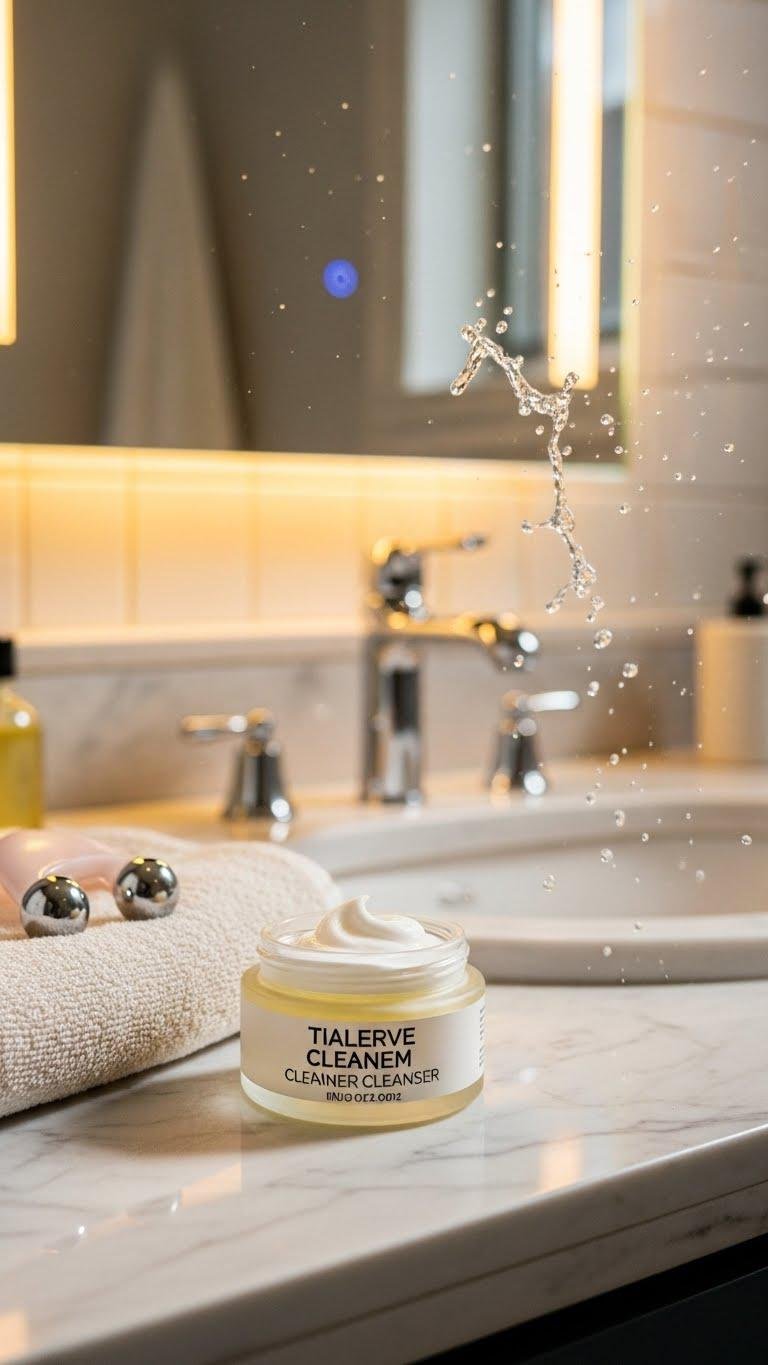
Begin your routine with a cream or oil-based cleanser to remove overnight oil and protect your skin’s barrier—these formulas dissolve sebum and makeup without stripping moisture, which is especially important in cold, dry weather.
You’ll use gentle cleanser massage for 30–60 seconds, focusing on areas with cold makeup residue. Rinse, pat dry, and follow with lightweight hydrating products to preserve freedom and skin resilience.
Use Lukewarm Water, Not Hot
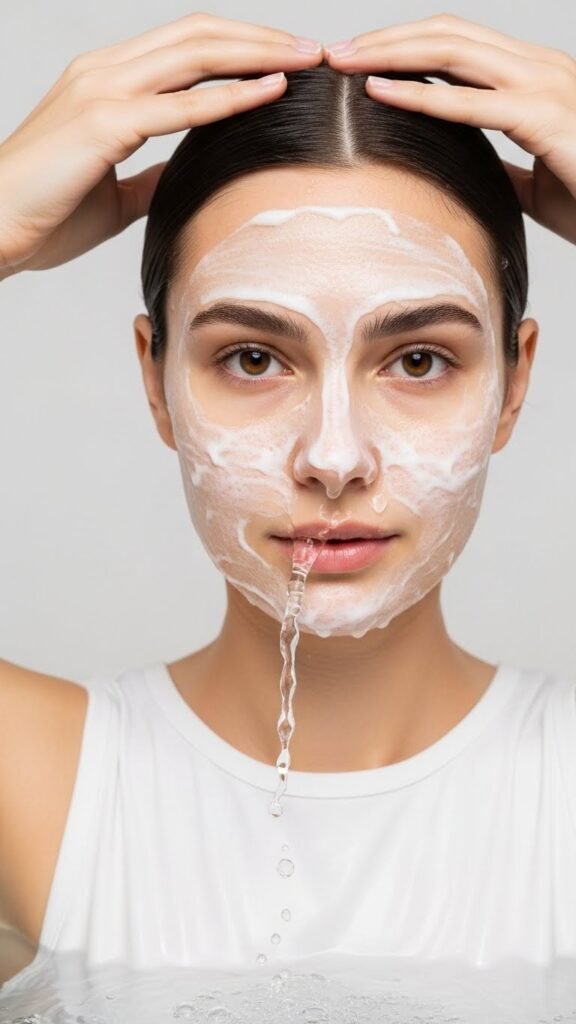
After cleansing with a cream or oil-based formula, rinse with lukewarm water rather than hot—hot water strips natural oils, increases TEWL (transepidermal water loss), and can worsen winter dryness or redness.
You’ll Avoid scalding and the Temperature myth that hotter cleans better. Lukewarm preserves barrier lipids, respects Mineral content in hard water, and keeps skin balanced so you can move freely without irritation.
Keep Cleansing Under 30 Seconds
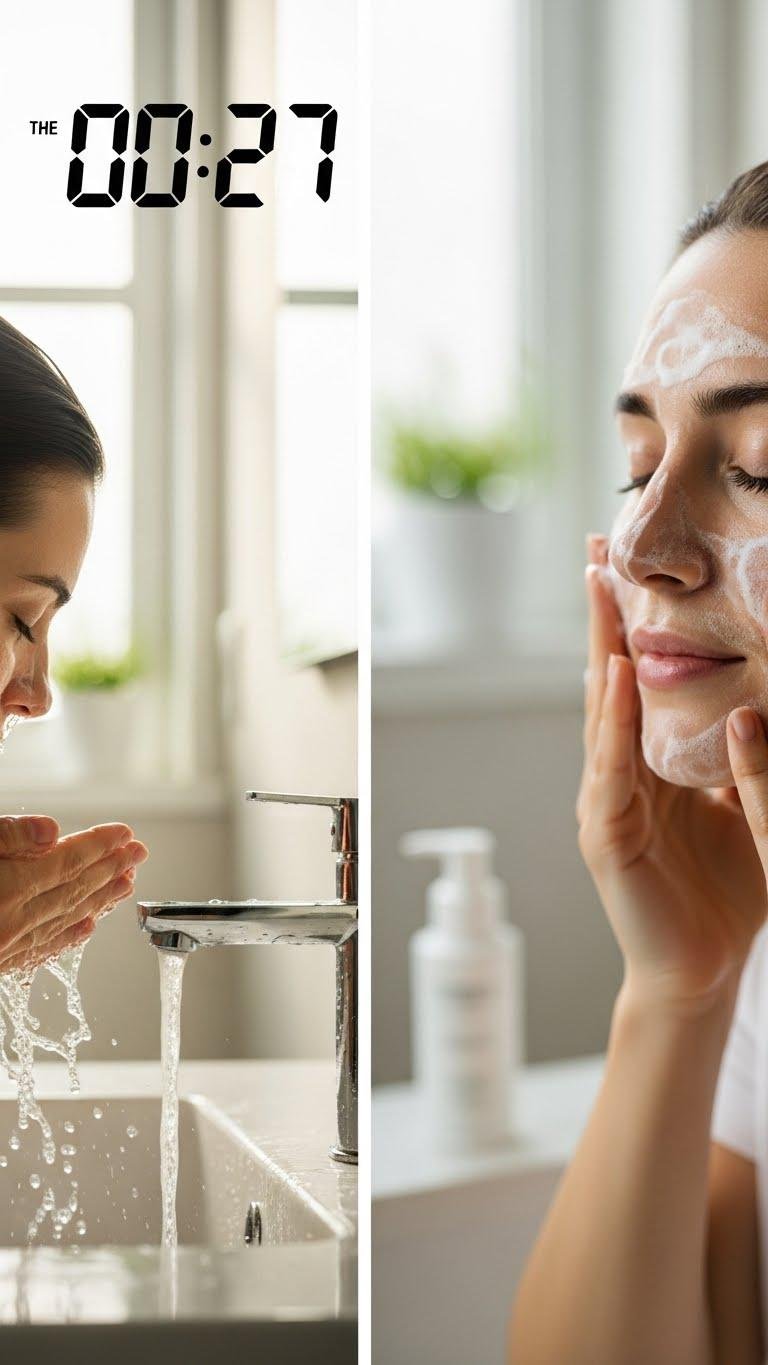
Because prolonged rubbing and hot water increase transepidermal water loss and strip lipids, keep your face cleanse time under 30 seconds to protect the barrier.
You’ll practice timed cleansing: wet, apply cleanser, rinse promptly. This quick removal minimizes irritation while preserving moisture.
Use gentle motions, pat dry, and follow with hydrators. You’ll save time and keep skin resilient through cold mornings.
Choose an Emulsifying Oil Cleanser for Deep Yet Gentle Cleansing
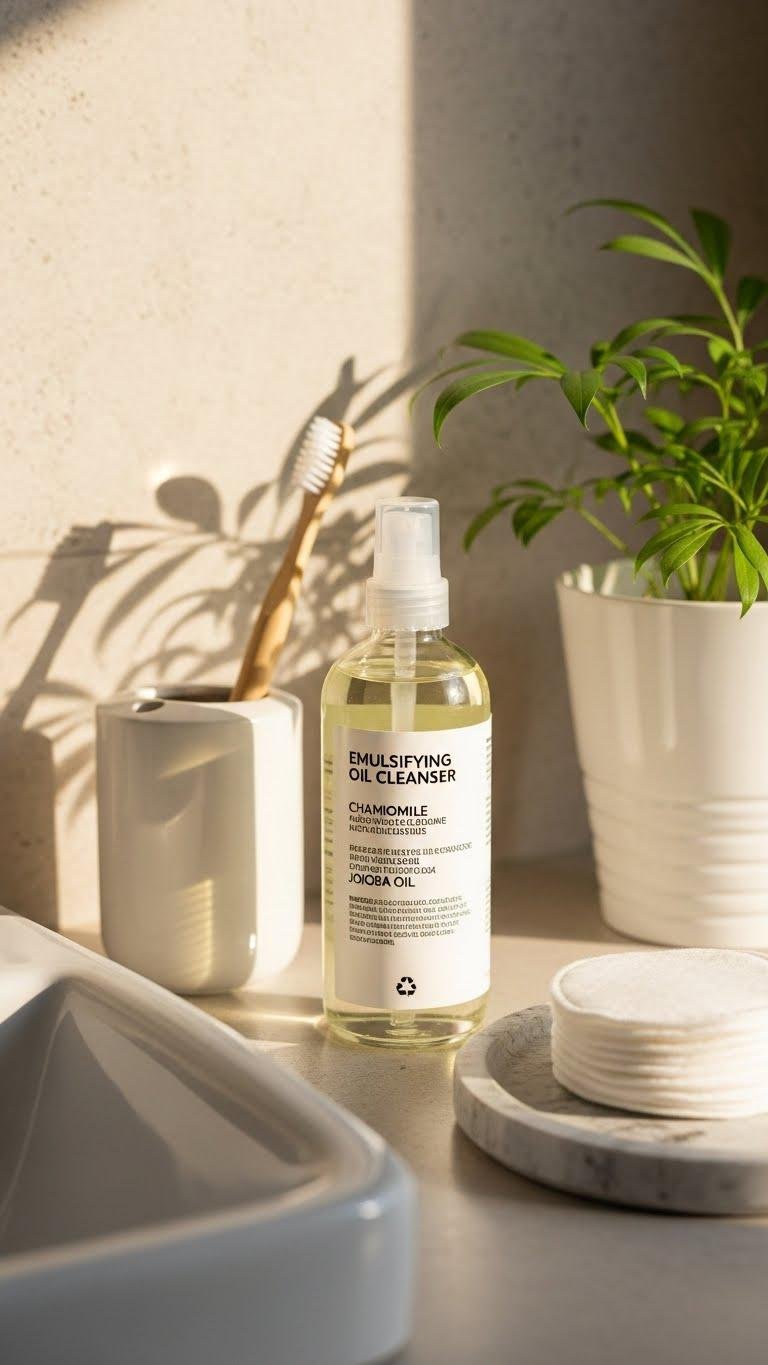
Swap to an emulsifying oil cleanser to lift makeup, sunscreen, and excess sebum without stripping your skin’s lipids. You’ll get efficient, gentle removal that respects skin sensitivity and preserves barrier function.
Massage onto dry skin, emulsify with water, rinse. Choose formulas with minimal irritants and transparent ingredients lists. Prefer brands that prioritize packaging sustainability so your clean routine matches your desire for freedom and responsibility.
Pick Sulfate-Free, Hydrating Formulas
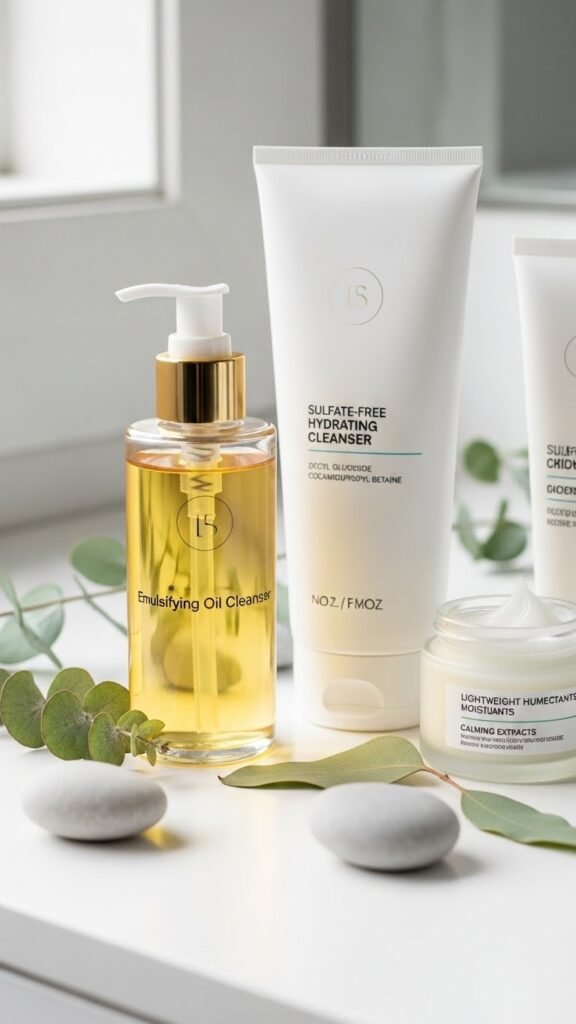
Once you’ve removed makeup and sunscreen with an emulsifying oil cleanser, choose a sulfate-free, hydrating follow-up to cleanse without stripping natural oils.
You’ll want formulas using sulfate alternatives and gentle surfactants like decyl glucoside or cocamidopropyl betaine. They preserve barrier lipids, reduce irritation, and boost comfort in cold air.
Pick lightweight humectants and calming extracts for reliable daily balance.
Apply Toner to Slightly Damp Skin
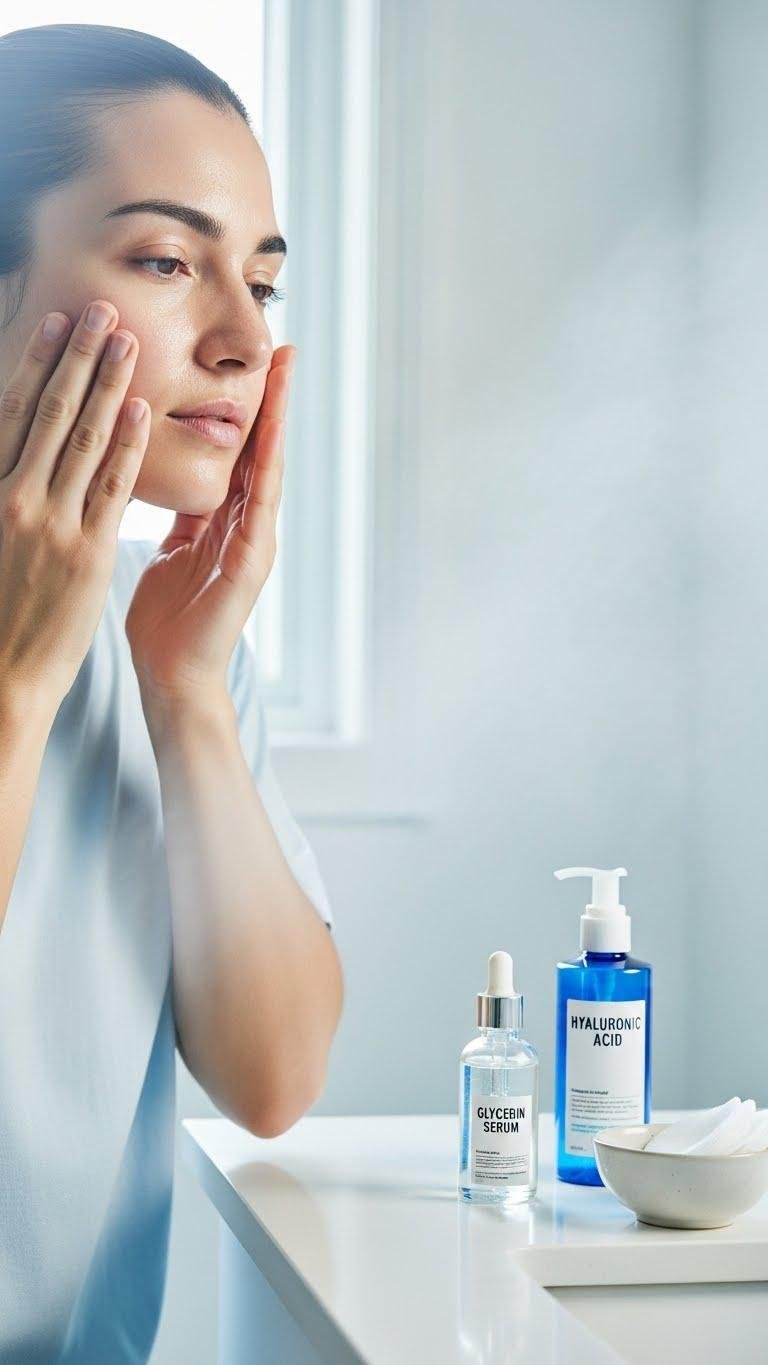
If you pat toner onto slightly damp skin, you’ll lock in extra hydration and help water-attracting ingredients like glycerin or hyaluronic acid penetrate more effectively. Do a light morning misting or splash, then apply toner to preserve moisture and support pH balance.
You’ll reduce transepidermal water loss, enhance barrier function, and keep skin resilient through cold, drying conditions without extra fuss.
Use a Hyaluronic Acid or Glycerin Toner
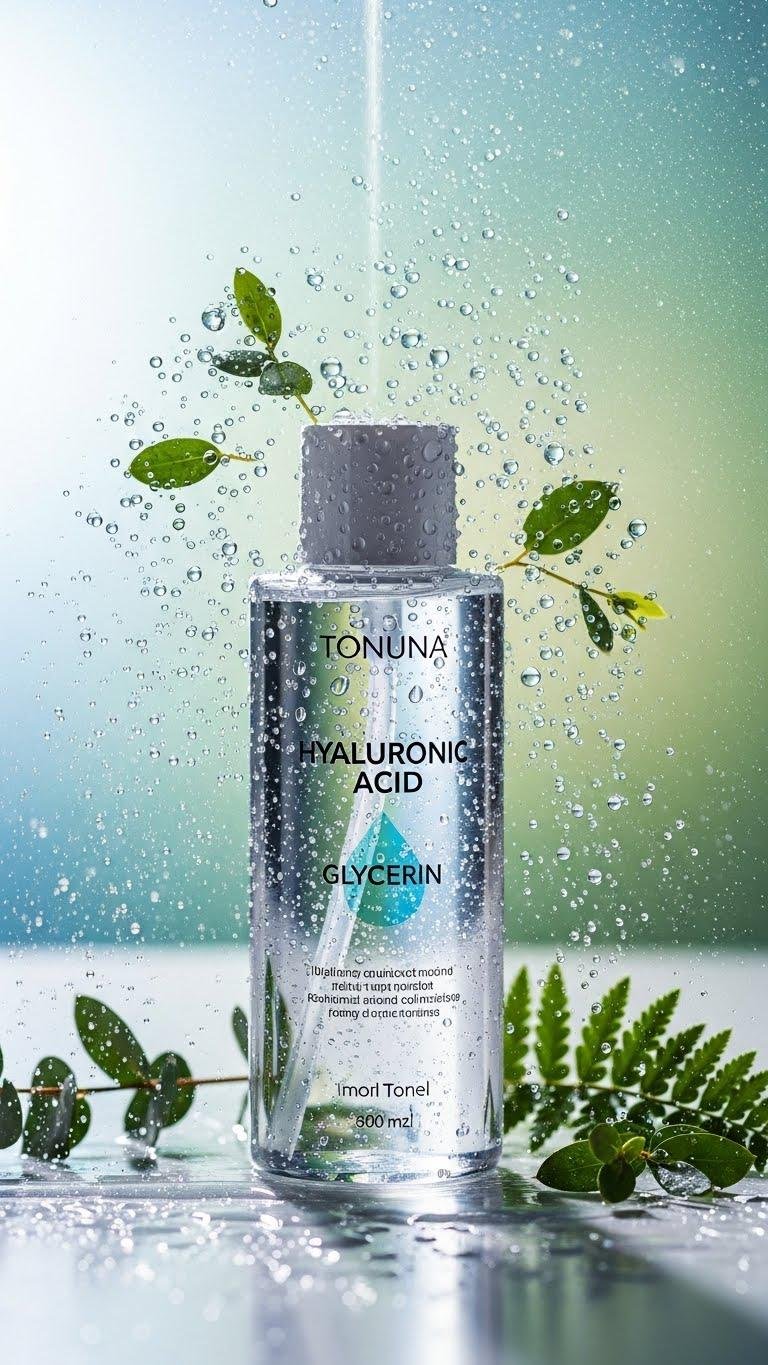
Often the simplest change makes the biggest difference: use a toner with hyaluronic acid or glycerin to draw and hold moisture at the skin’s surface. You’ll maximize hydration by applying to slightly damp skin, checking humectant compatibility with other actives, and confirming toner pH is skin-friendly.
This practical step supports barrier function, reduces transepidermal water loss, and keeps your routine efficient and liberating.
Double-Layer Hydrating Toner for Extra Dehydration
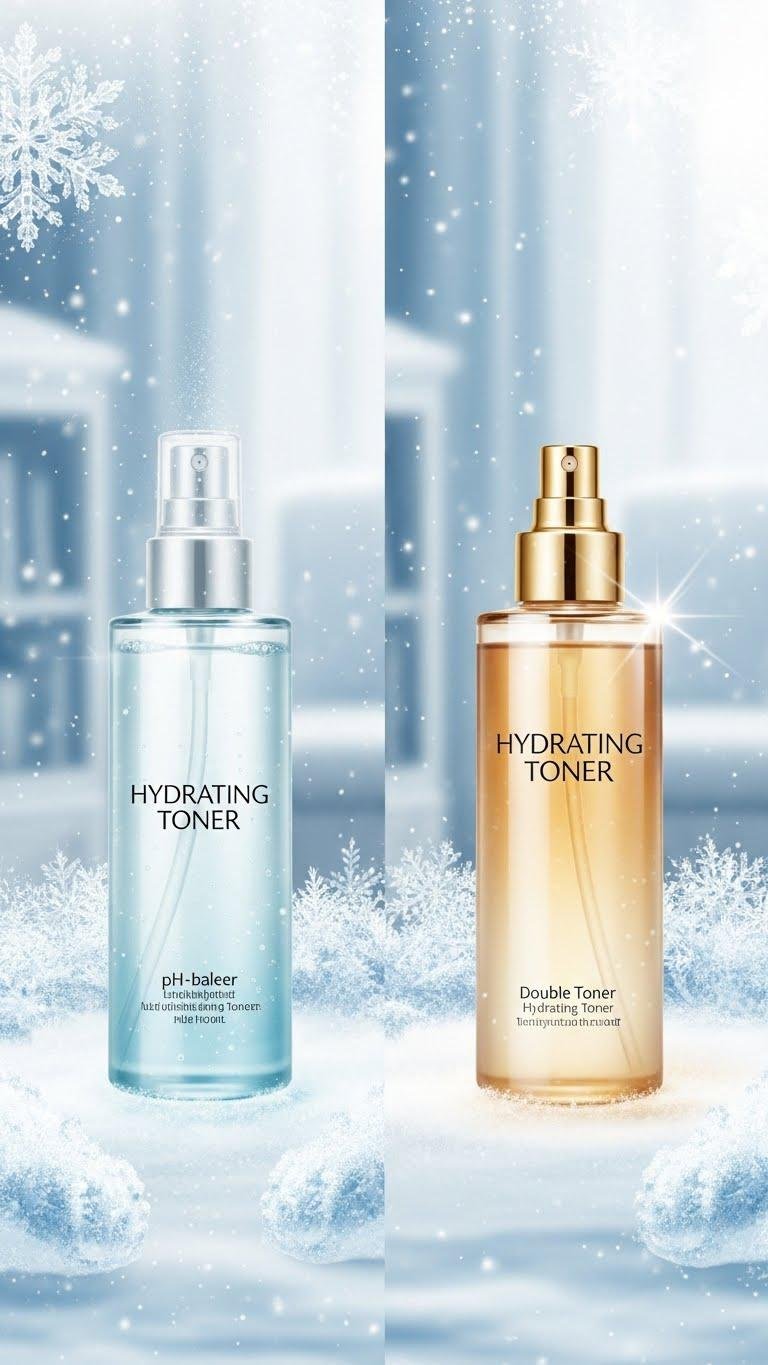
When your skin’s extra thirsty in winter, try a double-layer hydrating toner to boost moisture without overloading your routine. You’ll apply a lightweight, pH-balanced layer, then follow with a richer toner based on your toner preference. This double misting method supports the skin barrier, adds controlled hydration, and lets you make seasonal adjustments without heavy creams—practical, evidence-aligned, and freeing.
Follow With a Hyaluronic Acid Serum
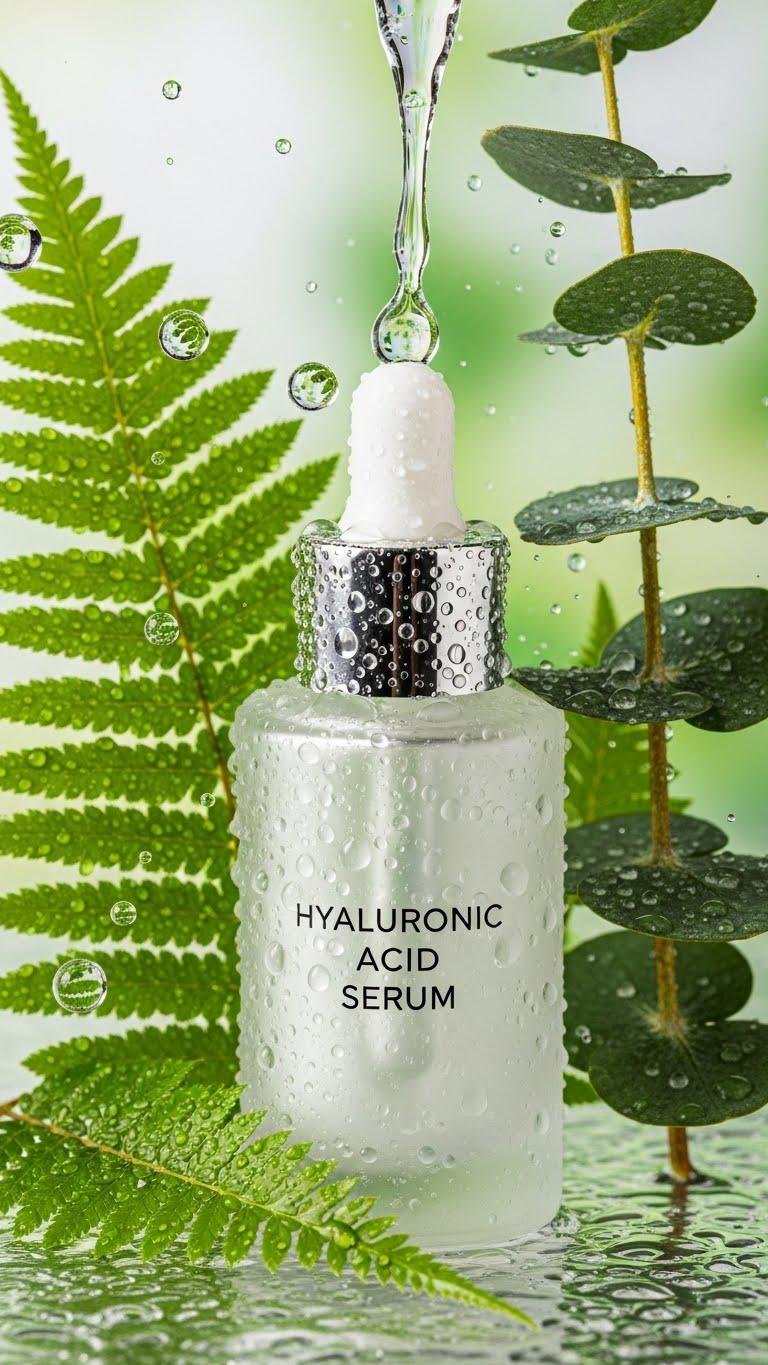
As the next step, apply a hyaluronic acid (HA) serum to lock in the moisture your toners delivered; HA attracts and holds water in the skin, boosting hydration without greasiness.
You’ll enjoy humectant synergy when layering lighter to thicker formulations. Adjust concentration and seasonal viscosity — thinner in summer, slightly richer in winter — and press gently to seal hydration before moisturizing and sunscreen.
Combine Hyaluronic Acid Serum With Peptides
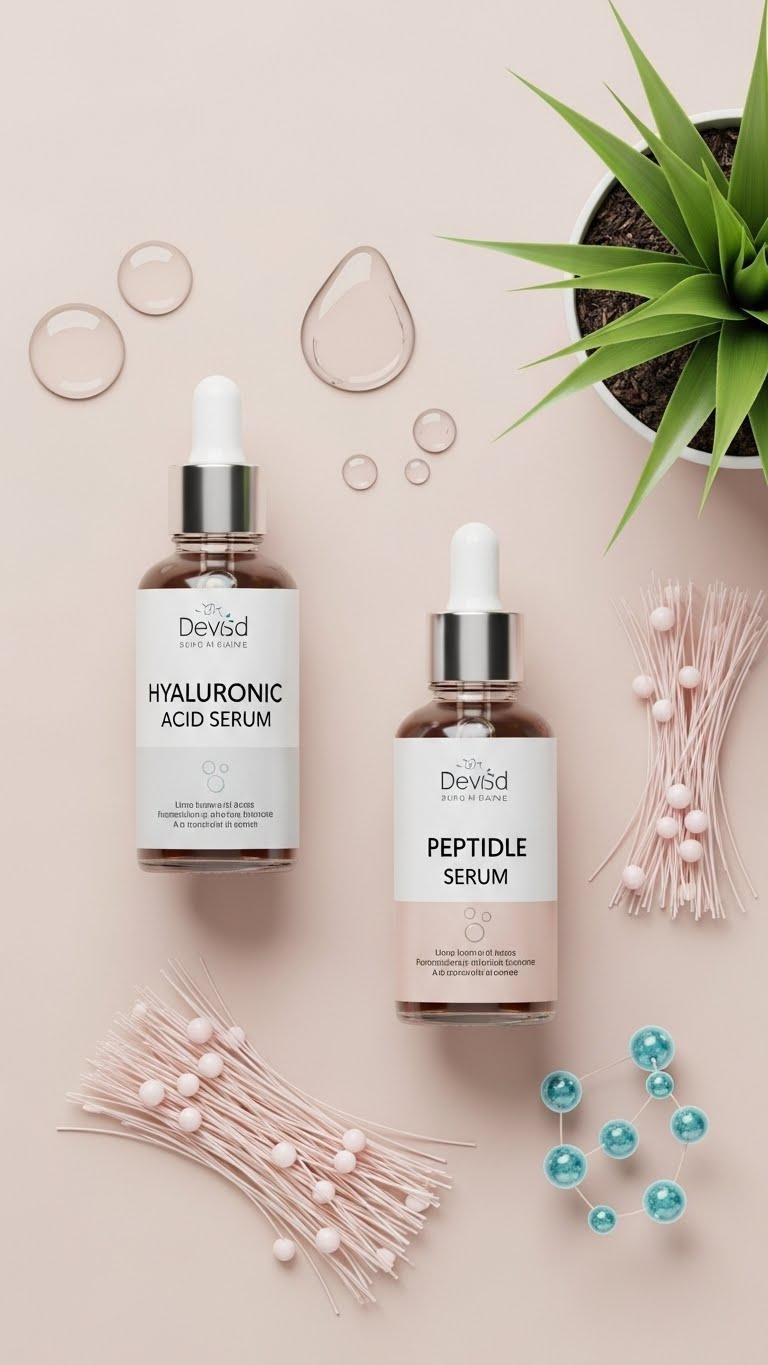
Pair hyaluronic acid with a peptide serum to boost hydration and support skin repair: hyaluronic acid draws water into the skin while peptides signal collagen production and barrier recovery, so layering them lets each do its job without competing.
You’ll enjoy peptide synergy and practical timing strategies: apply hyaluronic first, pat it in, then follow with peptides to lock moisture and promote repair for resilient, free-feeling skin.
Apply Serums Before Any Heavy Moisturizer
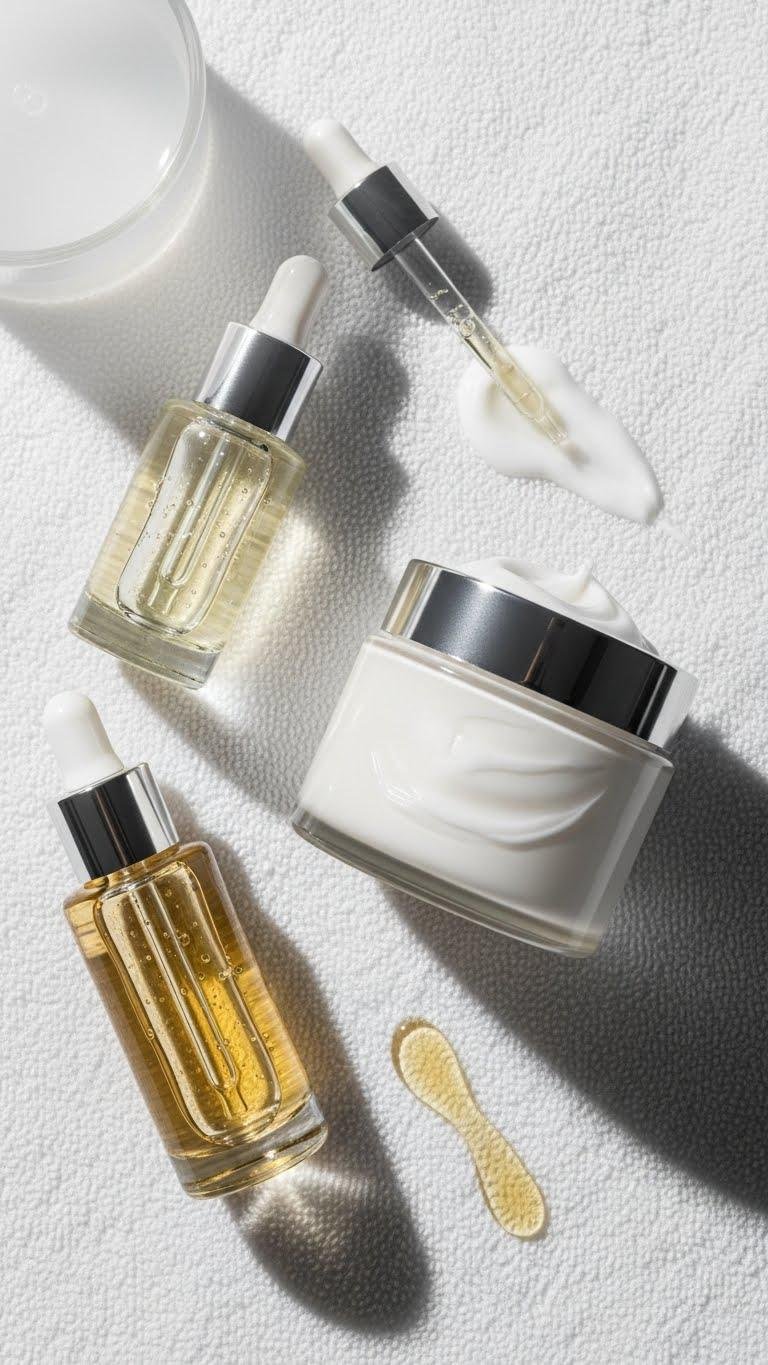
Start with serums before you reach for any heavy moisturizer so their concentrated actives can penetrate unblocked by thicker creams.
Apply lightweight serums to damp skin, respecting a short timing window for absorption before sealing.
Texture pairing matters: water-based serums, then oil or cream moisturizers.
That order boosts delivery, limits pilling, and lets you control potent ingredients efficiently for liberated winter skin.
Don’t Skip Dedicated Eye Contour Cream
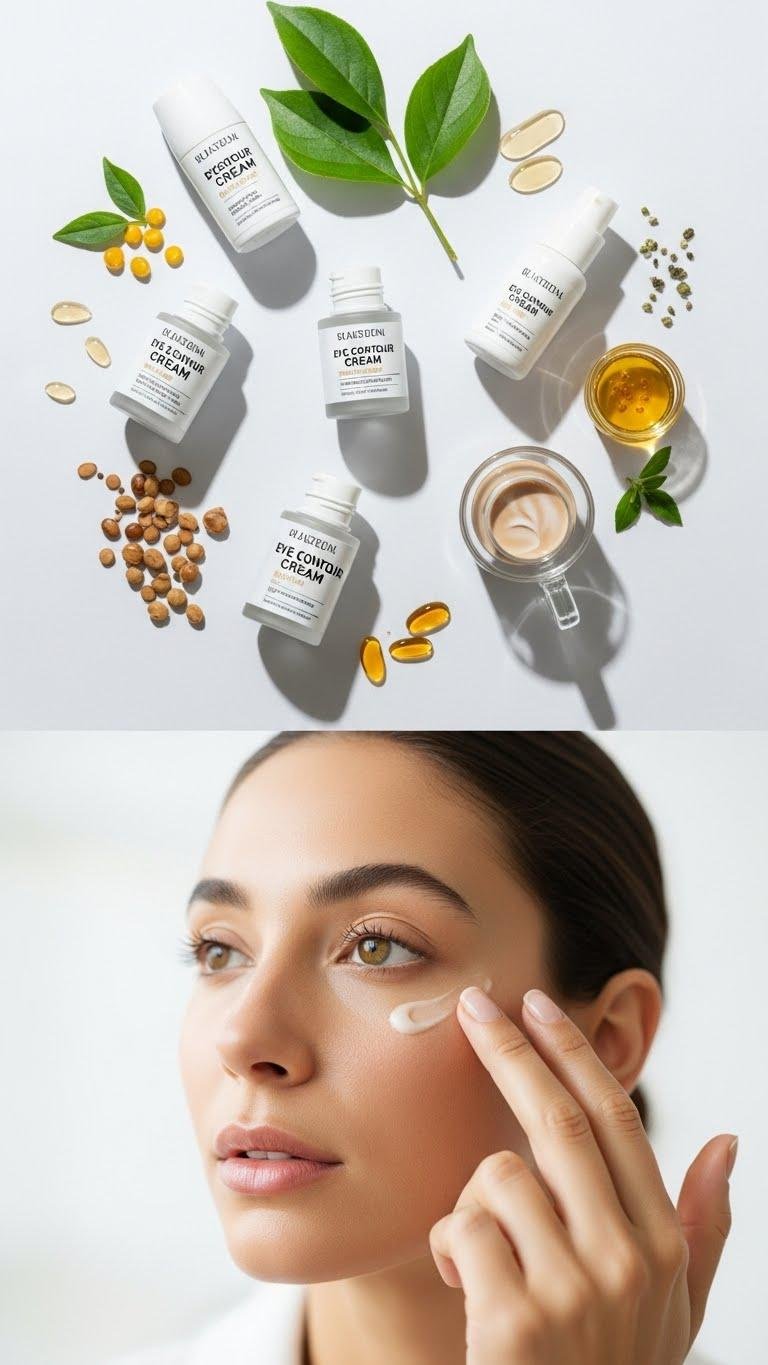
While the skin around your eyes is thinner and more prone to dehydration and fine lines, you should use a dedicated eye contour cream to target those issues without overloading the rest of your face.
Choose a lightweight formula with peptides and antioxidants, apply sparingly, and use a rapid massage with ring finger to boost absorption—caffeine depuff effects help reduce morning puffiness and brighten.
Use Hyaluronic Acid Eye Cream Morning and Night
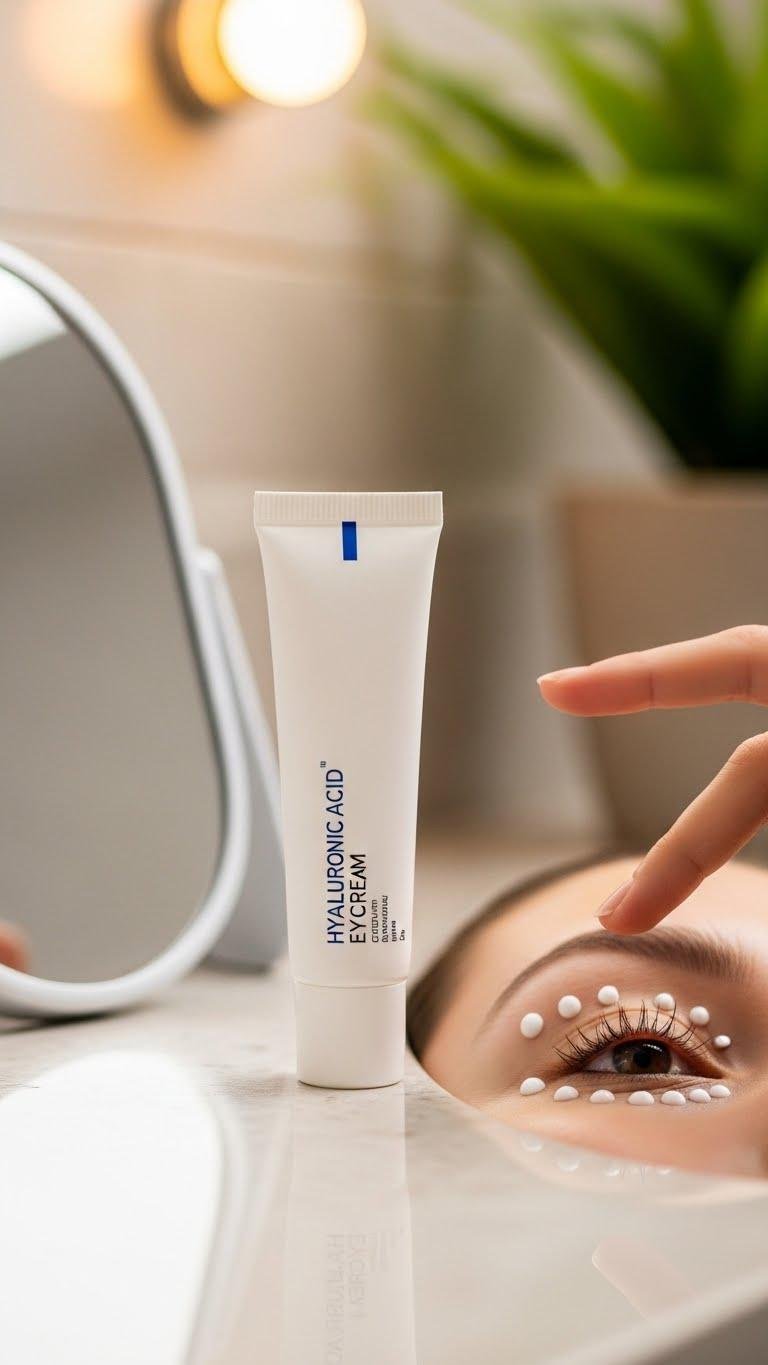
Regularly using a hyaluronic acid eye cream morning and night helps lock in moisture where the skin is thinnest and most prone to dehydration.
You’ll feel reduced dryness and fine-line appearance with consistent use. Follow a gentle application technique—dab small dots and pat until absorbed. Check product shelf life, store cool, and replace when expired to keep results effective and safe.
Choose Brightening or Revitalizing Eye Treatments as Needed
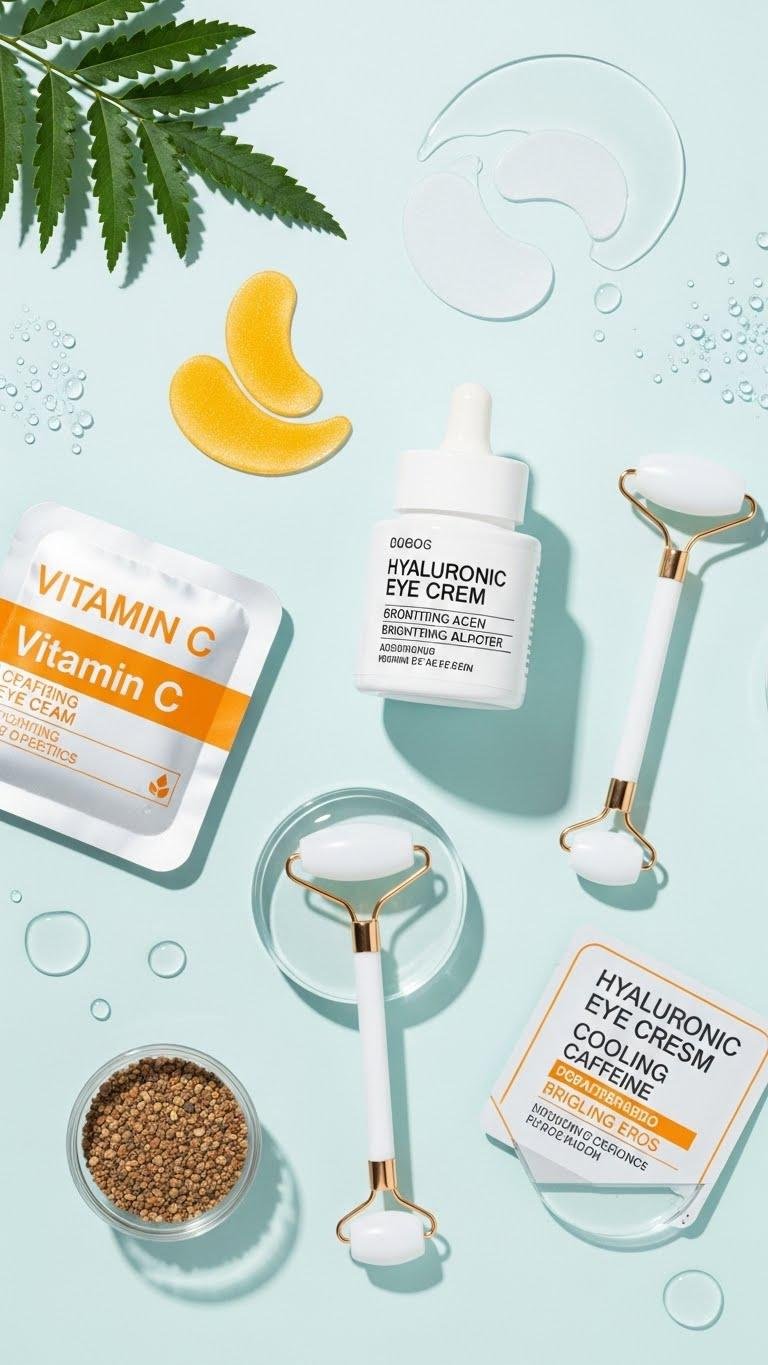
After locking in hydration with a hyaluronic acid eye cream, consider adding a brightening or revitalizing treatment when dark circles, dullness, or puffiness persist.
You can apply Brightening patches for targeted pigment reduction and antioxidants, or use Cooling rollers to reduce puffiness and boost circulation. Choose proven ingredients like vitamin C, caffeine, or peptides, patch-test, and integrate treatments sparingly for reliable, freedom-focused results.
Seal in Hydration With a Rich Cream Moisturizer
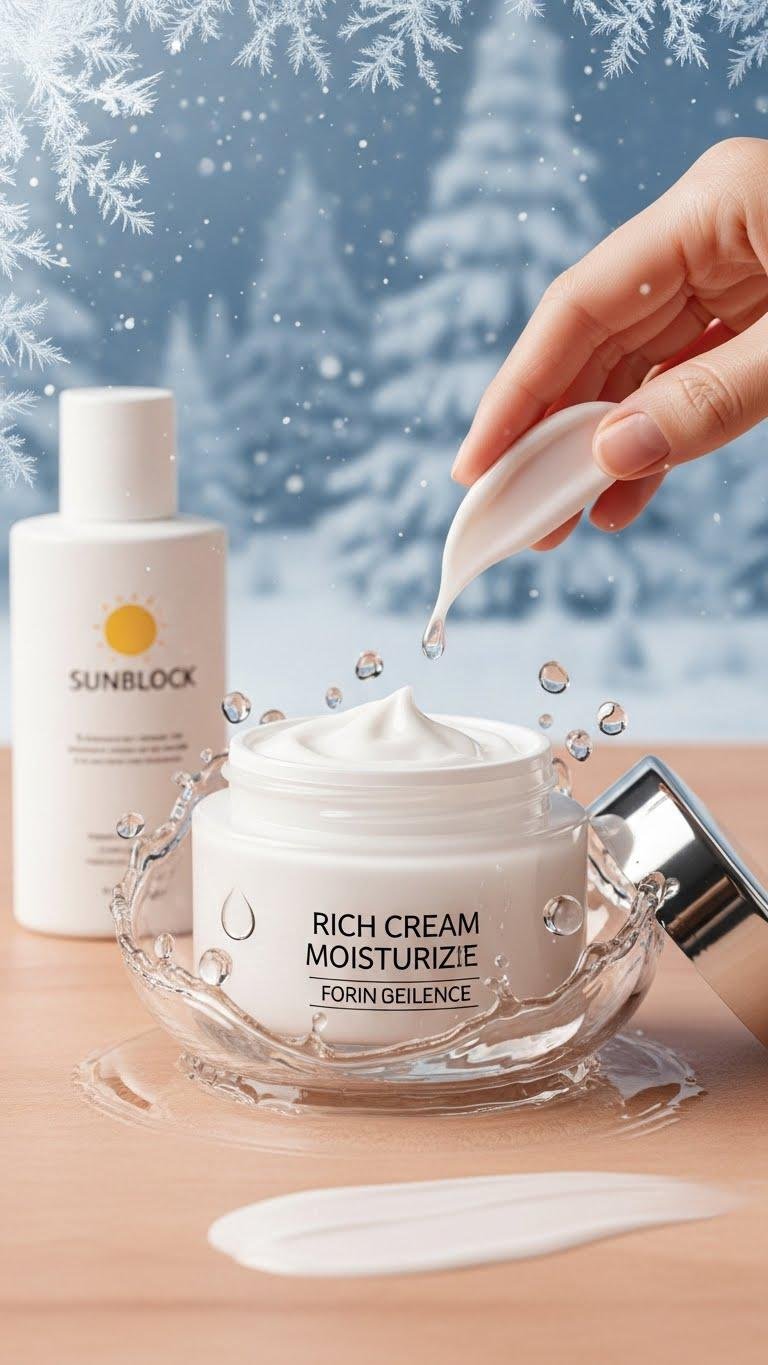
Lock in all that moisture with a rich cream moisturizer designed to create a protective barrier against cold, drying winter air.
You’ll apply a dense, fragrance free formulation that prevents transepidermal water loss; choose an overnight occlusive for extra sealing at bedtime if needed.
Use sparingly on damp skin, layer under SPF in the morning, and enjoy resilient, comfortable skin.
Look for Ceramides or Squalane in Your Moisturizer
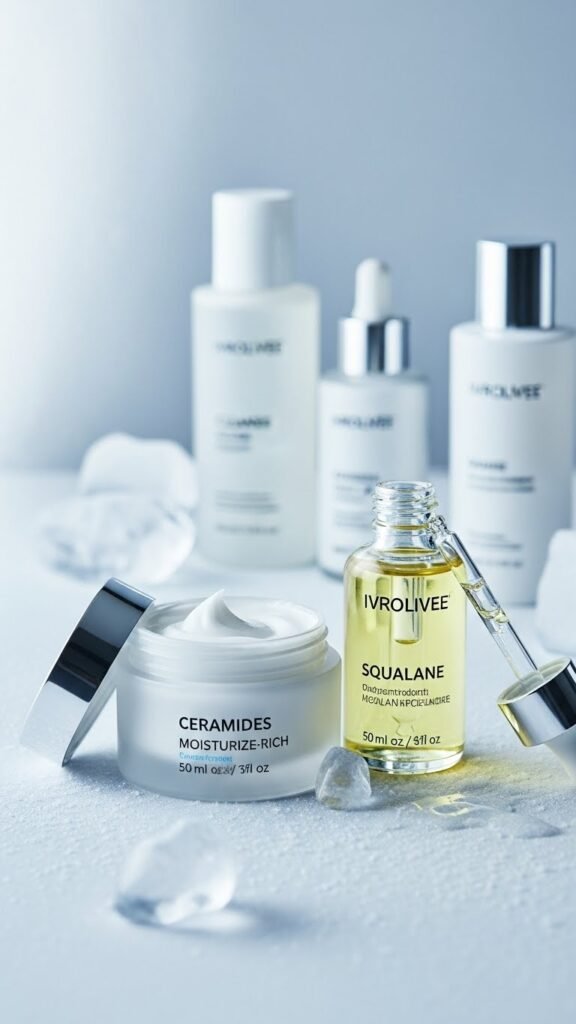
Because cold air strips lipids from your skin, pick a moisturizer that contains ceramides or squalane to rebuild the barrier and reduce water loss.
You’ll restore hydration and resist irritation. Check labels for ceramide sourcing to guarantee quality, and weigh squalane sustainability—plant-derived options minimize impact. Choose formulations that absorb without heaviness so you can move freely all winter.
Apply Moisturizer While Skin Is Still Slightly Damp
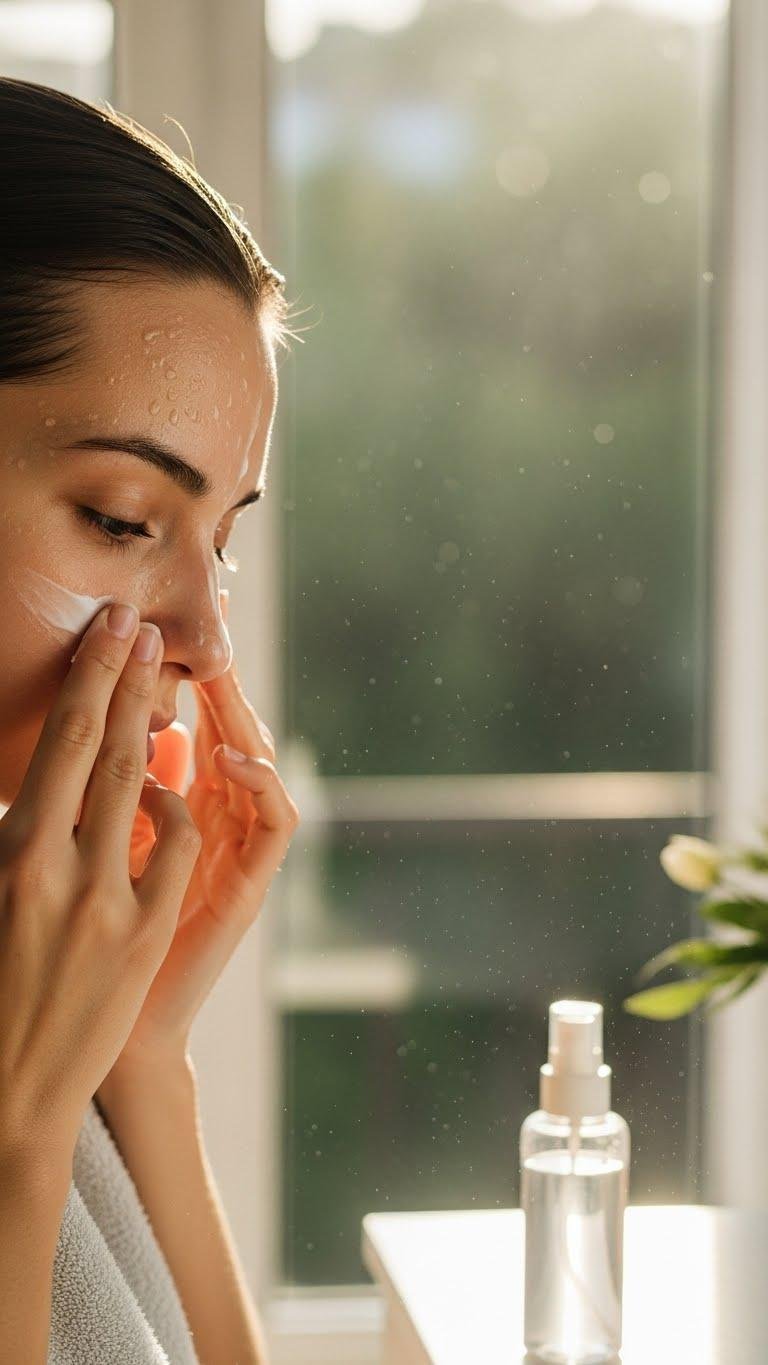
Seal hydration by applying your moisturizer while your skin is still slightly damp—doing so traps water in the outer layer and improves barrier function.
After cleansing or light facial misting, use the damp application technique: pat product gently, spreading evenly to lock moisture. You’ll boost hydration efficiency, reduce transepidermal water loss, and keep skin comfortable through cold mornings without overloading your routine.
Use Thicker, Richer Formulations in Winter
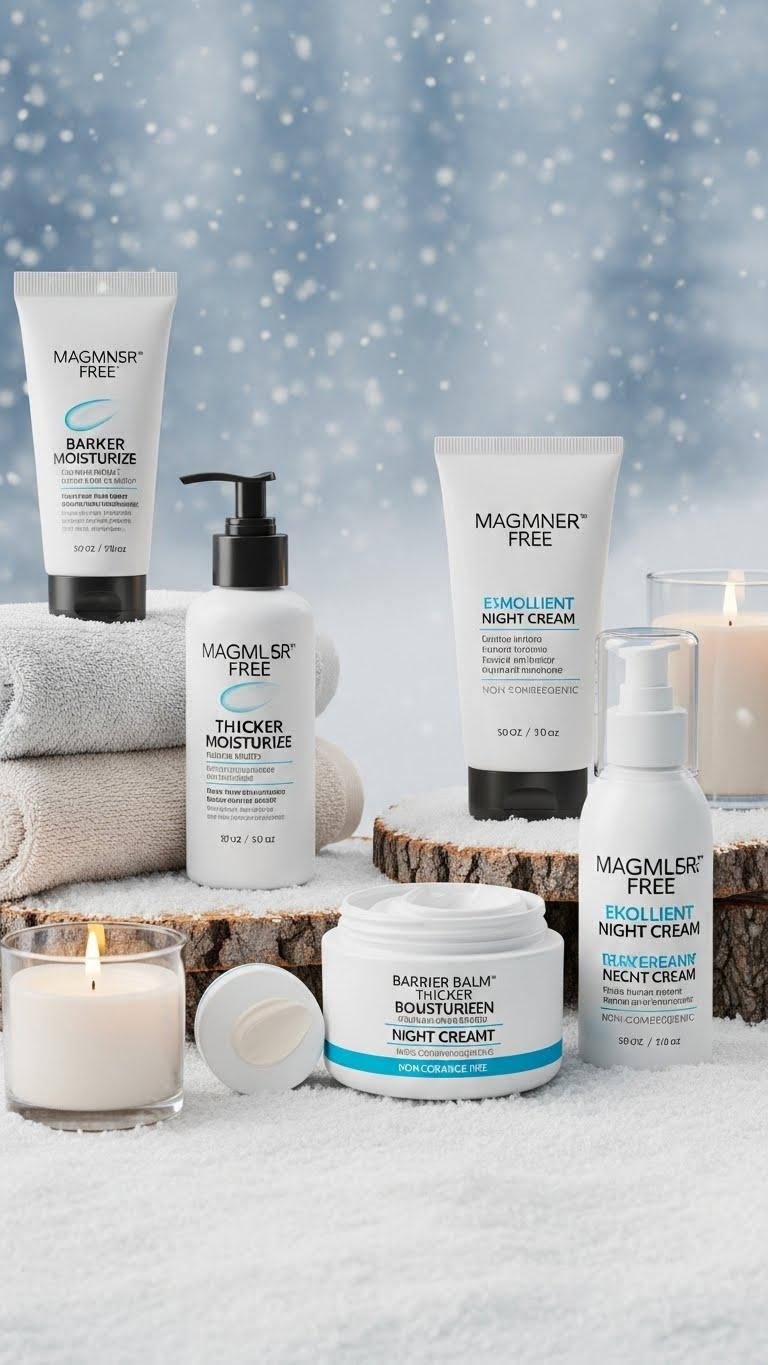
Once you’ve been applying moisturizer to damp skin to trap hydration, switch to thicker, richer formulations for winter to provide longer-lasting barrier support.
You’ll find barrier balms and emollient night creams boost lipid restoration, reduce transepidermal water loss, and protect against cold, windy exposure.
Choose fragrance-free, non-comedogenic options, apply sparingly where needed, and enjoy freer, resilient skin without overloading pores.
Extend Moisturizer to Neck and Décolletage

If you want your face care to pay off, extend moisturizer down to your neck and décolletage—those areas have thinner skin and show dehydration and environmental damage sooner.
Apply a nickel-sized amount, then massage upward using gentle pressure to boost circulation and product absorption.
Avoid tugging; remove necklaces first for jewelry protection.
Repeat daily; consistency reduces visible lines and dryness.
Layer Products From Thinnest to Thickest Consistency
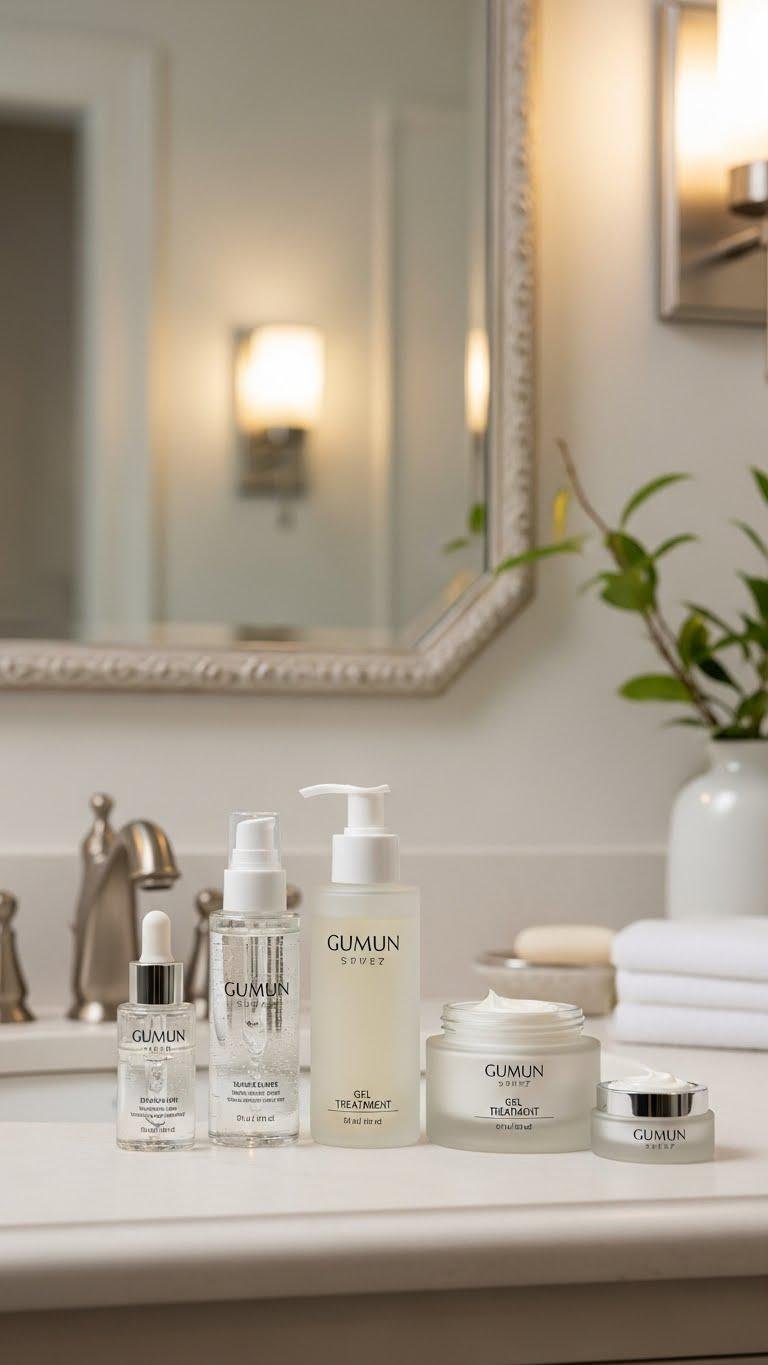
After you’ve spread moisturizer to your neck and décolletage, layer the rest of your products from the thinnest to the thickest consistency so each ingredient can absorb and work as intended.
You’ll respect ingredient order and maximize efficacy: watery serums, lightweight treatments, then creams.
Embrace texture contrast to customize protection and freedom of movement, preventing pilling and ensuring active delivery without overloading your skin.
Add Facial Oil After Moisturizer If Extra Barrier Support Is Needed
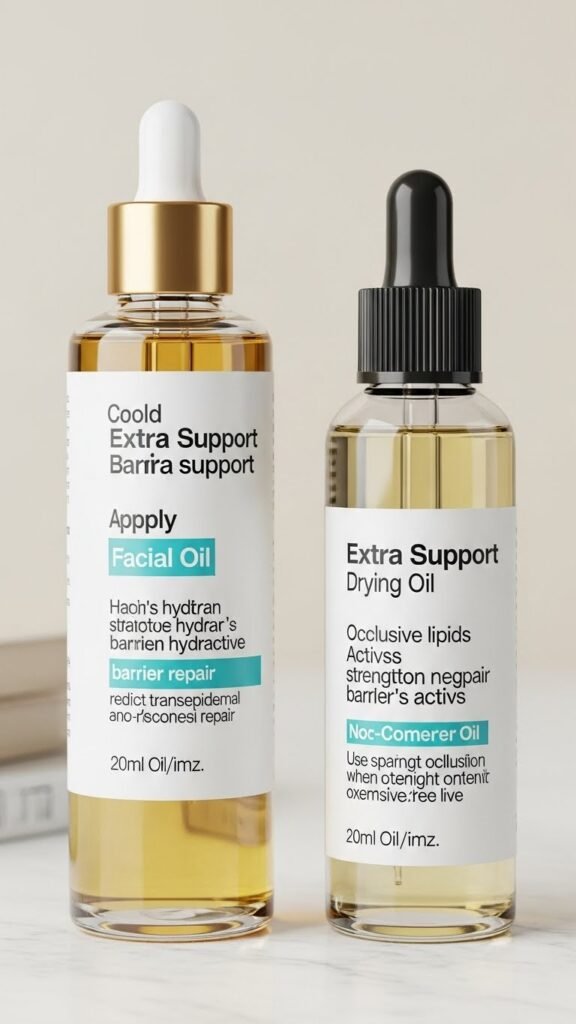
For extra barrier support on cold, drying days, apply a facial oil after your moisturizer so the occlusive lipids seal in hydration and strengthen the skin’s barrier. You’ll lock in barrier repair actives and reduce transepidermal water loss; choose non-comedogenic oils. Use sparingly—focus on dry zones—and consider overnight occlusion when you need intensive repair.
This keeps skin resilient and free to live fully.
Always Finish With Daily Sunscreen, Even in Cold Weather
Paragraphs
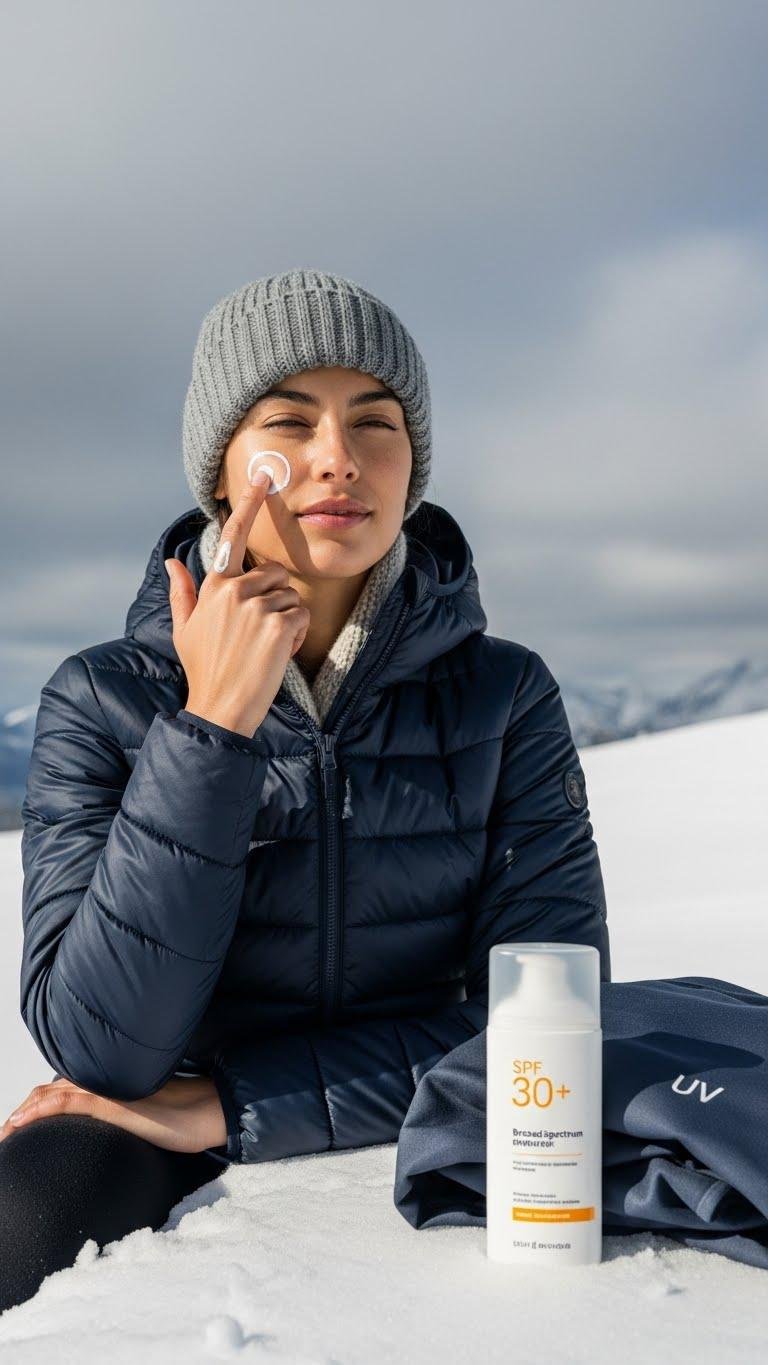
Always use a broad-spectrum sunscreen as the last step of your morning routine, even on cold, cloudy days—UV rays penetrate clouds and reflect off snow, increasing exposure. Apply SPF 30+ to exposed skin, reapply when outside long.
Pair sunscreen with UV clothing for extra protection. Trust sunscreen while balancing Vitamin D needs through brief sun exposure or supplements—protect your skin without surrendering freedom.
Keep Your Foundation Routine Hydration-Focused

Hydration matters—start your foundation routine by choosing formulas and prep steps that lock in moisture so makeup won’t settle into dry patches.
Use a dewy primer to create a plump base, apply lightweight, hydrating foundation with a damp sponge, and finish with a hydration setting spray to seal moisture. You’ll protect skin barrier function and keep makeup looking fresh all day.