
When you head out on winter trails, you’ll want gear that manages moisture, insulation, and sudden weather shifts so you can stay warm and move safely. Focus on layered clothing, reliable traction, extra gloves and a hat, navigation tools, fire starters, and a compact emergency shelter. These basics cut your risk and keep minor problems from becoming serious — and there are a few specific items you shouldn’t skip.
Insulating Mid‑Layers (Fleece and Synthetic Pants)
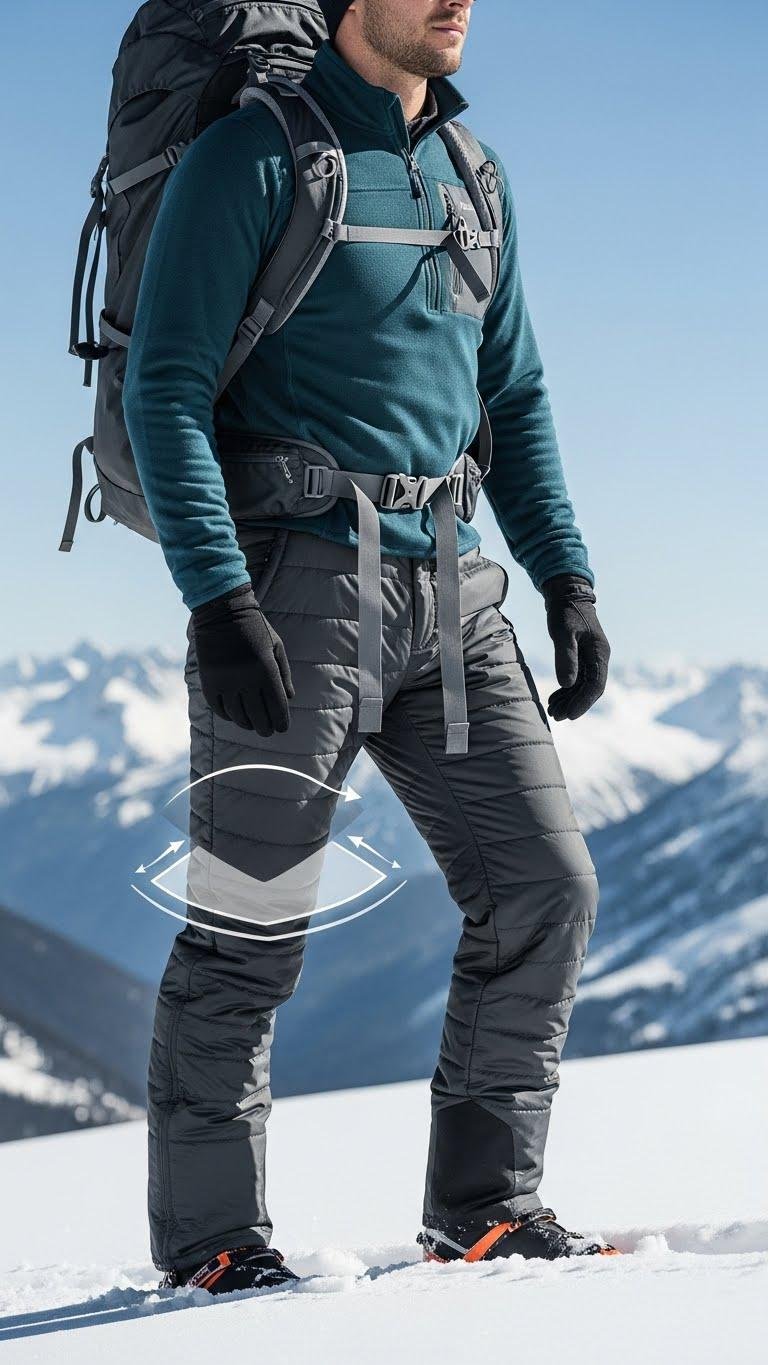
Often your mid‑layer is what keeps you warm when temps drop or your pace slows, so pick fleece tops and synthetic insulated pants that trap heat without bulk.
You’ll balance warmth and mobility, managing weight distribution in your pack and on your body. Prioritize breathable, compressible fabrics that enhance layer synergy with base and shell pieces so you stay warm, dry, and free to move.
Waterproof, Windproof, Breathable Shell Jacket
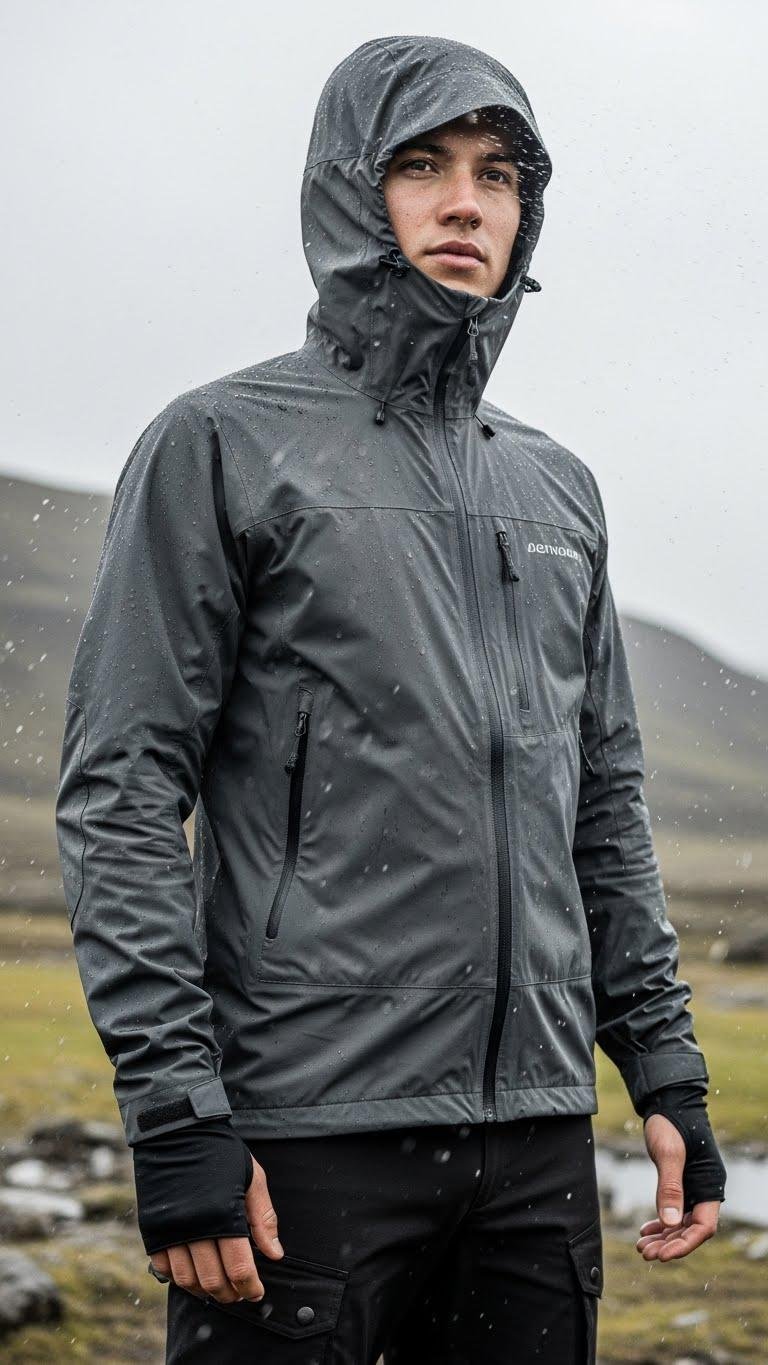
Your mid‑layer holds heat, but a waterproof, windproof, breathable shell keeps that warmth where it belongs while blocking the elements. Choose a lightweight jacket with seam sealed seams, taped zippers and adjustable hood so moisture stays out.
Look for articulated elbows for unrestricted movement and durable cuffs. You’ll retain mobility and weather protection, letting you roam confidently without unnecessary bulk or damp chill.
Waterproof Winter Hiking Pants With Full Side Zippers
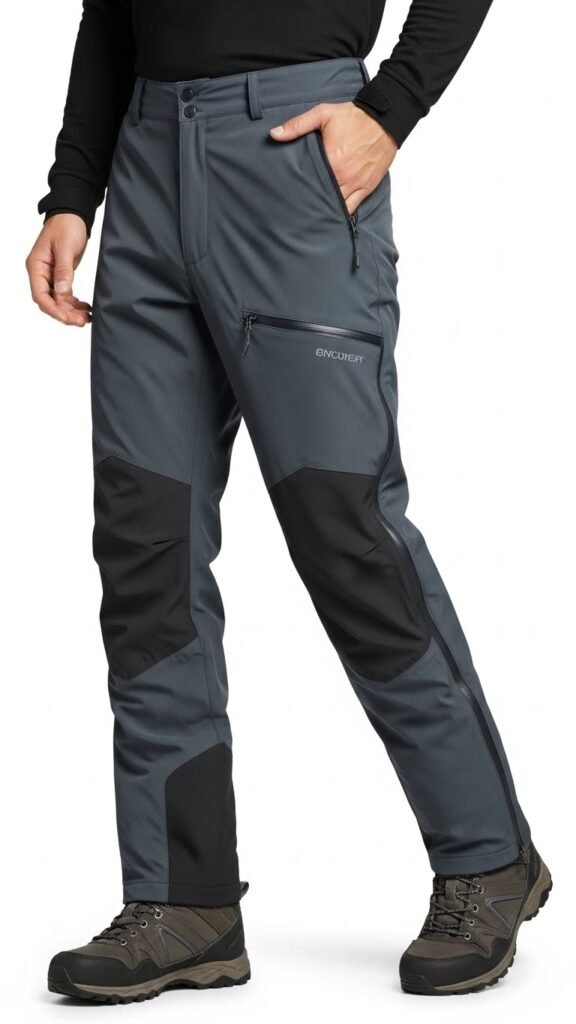
Zip into waterproof winter hiking pants with full side zippers to get on and off layers quickly without stripping boots or scrambling in cold, windy conditions.
You’ll appreciate durable fabric, sealed seams, and zippered ventilation for temperature control while moving.
Choose a pair with adjustable cuffs and reinforced knees that balances rugged performance and urban style, so you stay protected and free to roam confidently.
Insulated Hat, Neck Gaiter, and Balaclava
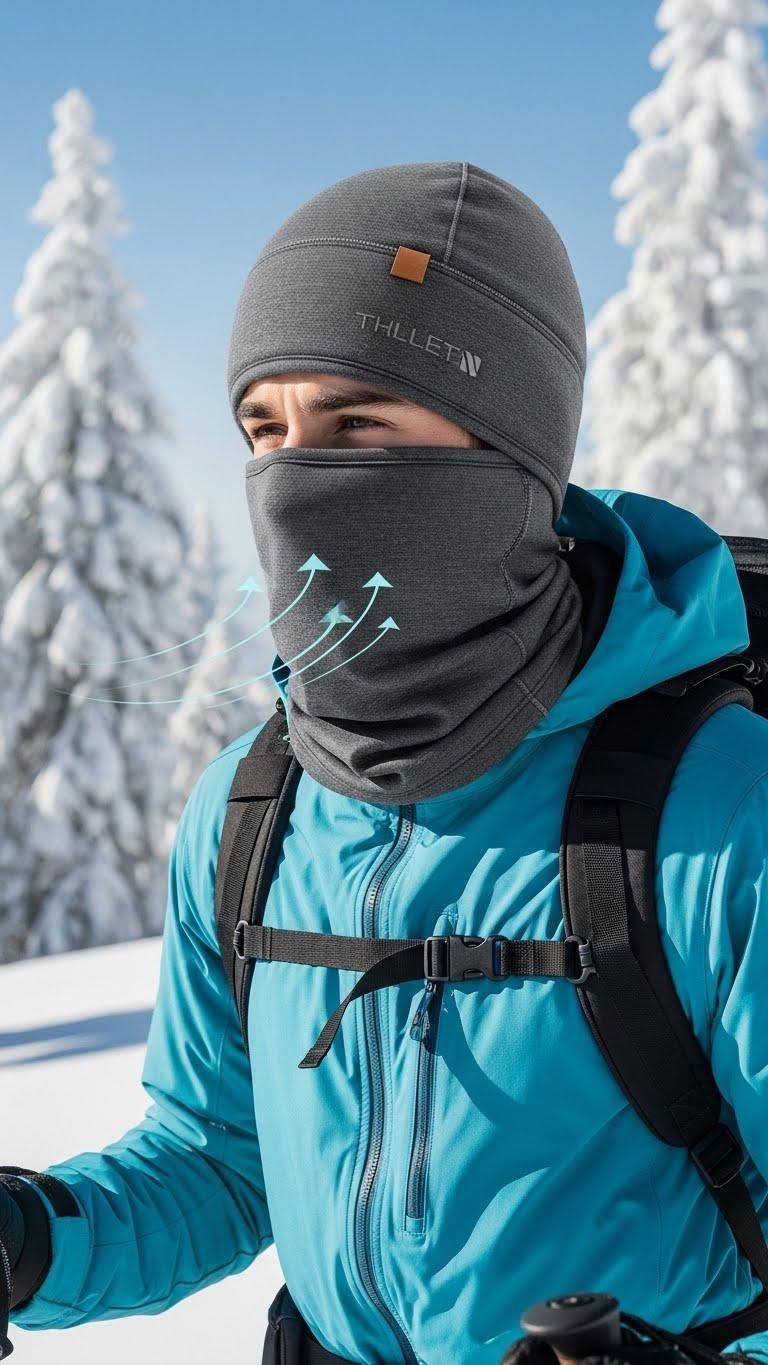
You’ll want an insulated hat, neck gaiter, or balaclava any time temperatures drop or winds pick up, because they protect core heat and keep exposed skin from freezing.
Choose pieces that fit your head and face, use thermal layering with breathable fabrics, and prioritize wind resistance.
They give reliable face protection while letting you move freely and manage moisture on long winter routes.
Warm Gloves or Mittens With Waterproof Shells
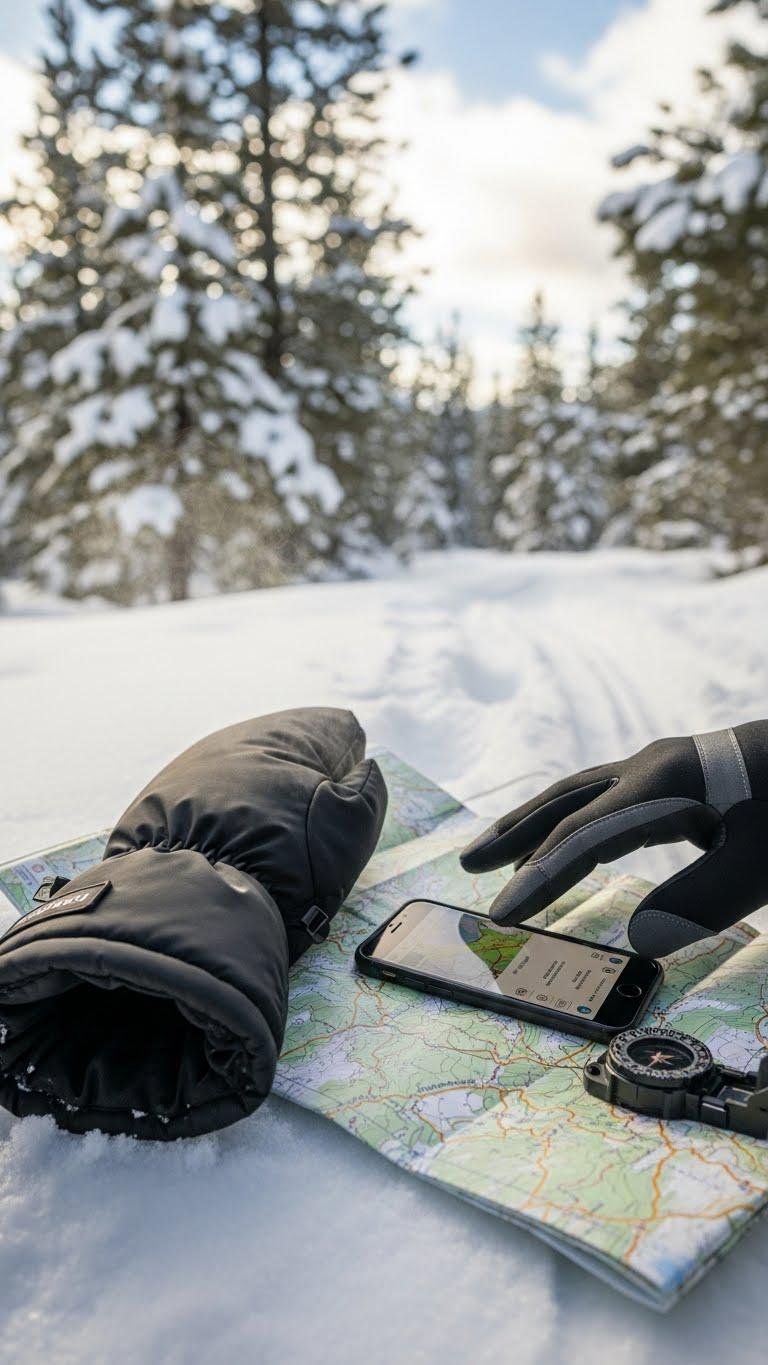
Don’t underestimate the difference a good pair of warm gloves or mittens with a waterproof shell can make on cold, wet trails. You’ll choose between mittens vs. gloves based on dexterity and warmth: mittens trap heat, gloves let you handle gear. Pick breathable waterproof shells and consider touchscreen compatible mittens so you can navigate maps without exposing hands to the elements.
Extra Socks, Gloves, and Hats
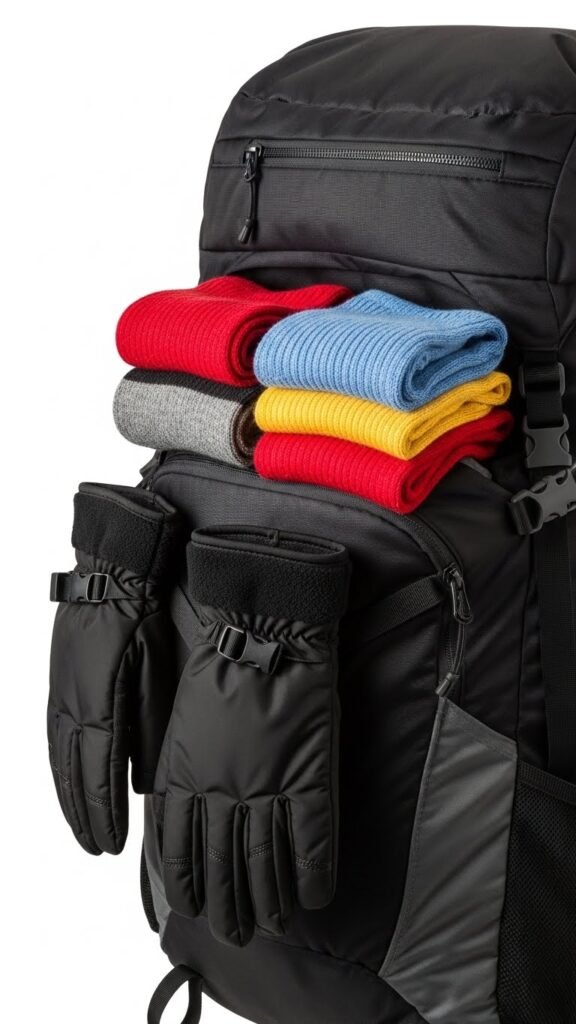
Stashing extra socks, gloves, and a hat in your pack gives you a simple, high-impact way to stay warm and dry if conditions change or gear gets wet.
You’ll practice sock rotation to keep feet dry, swap damp gloves immediately, and carry hat linings for extra warmth.
These small redundancies let you move freely, reduce risk of hypothermia, and keep plans flexible.
Insulated, Waterproof Hiking Boots With Good Tread
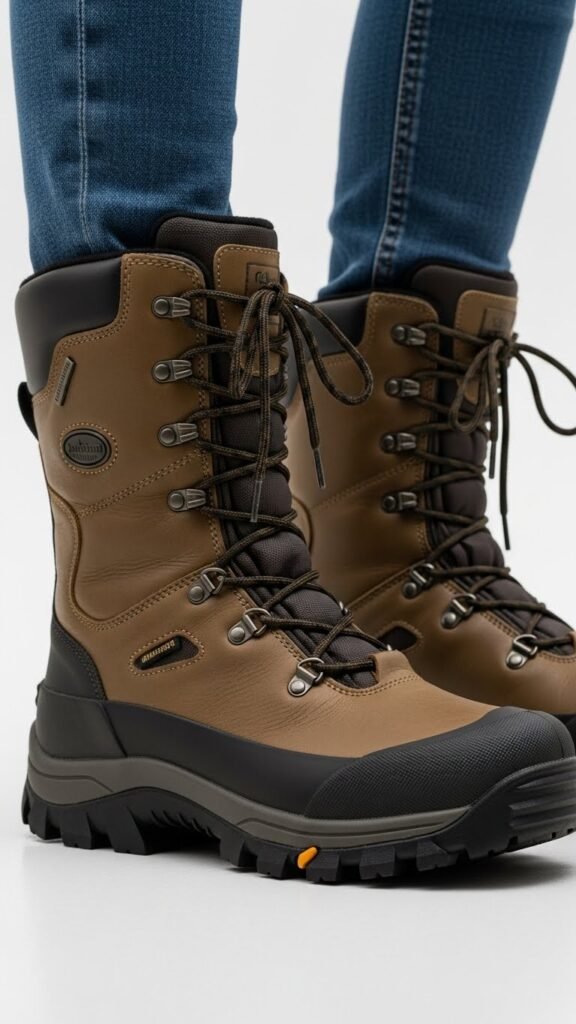
Why choose insulated, waterproof boots with aggressive tread? You want reliable traction, warmth, and dryness so you can roam confidently.
Pick sealed leather uppers, insulated liners and thermal footbeds to retain heat without bulk. Look for deep lugs and a stiff sole for ice and uneven terrain. Test fit with winter socks.
Maintain soles and seals—your freedom depends on dependable footwear.
Gaiters to Keep Snow Out of Boots
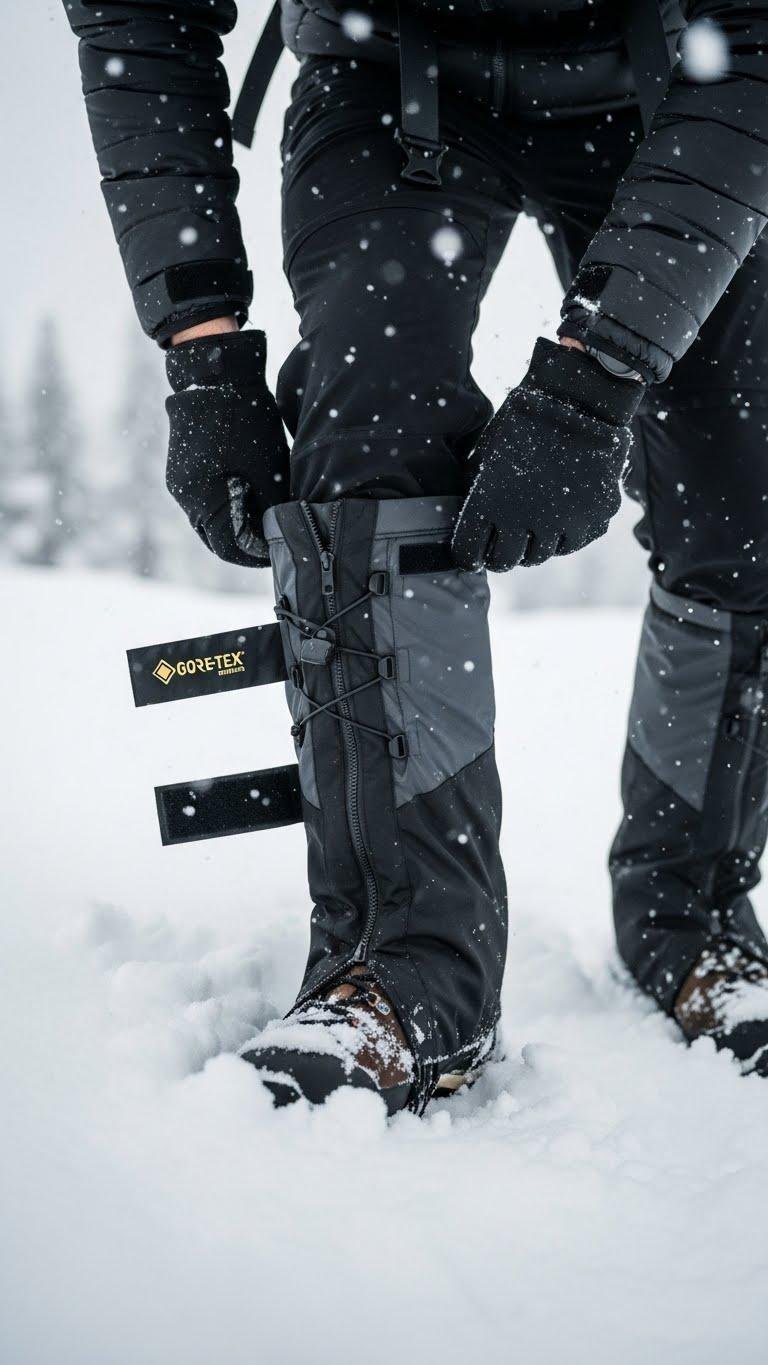
When snow’s deep or crusted, gaiters seal the gap between your pant cuffs and boots so you stay dry and avoid packed ice inside your footwear.
Choose gaiters with durable gaiter materials—Gore-Tex or reinforced nylon—and reliable closure systems like zippers plus hook-and-loop straps. Fit them snugly, inspect seals before you head out, and adjust tension to keep mobility and freedom without sacrificing protection.
Traction Devices: Microspikes, Crampons, or Snowshoes
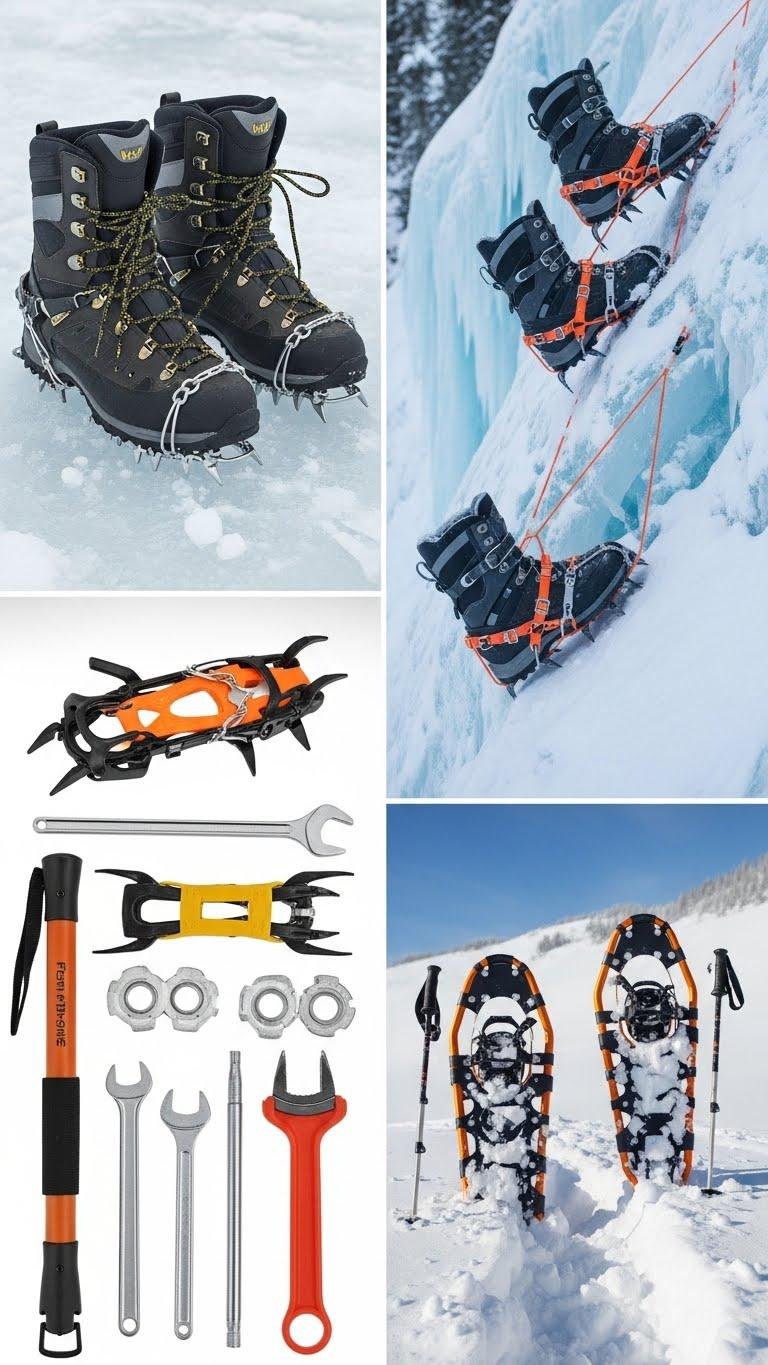
Once your gaiters are sealed and snow isn’t getting into your boots, the next step is matching the right traction device to the terrain and conditions.
Choose microspikes for packed ice, crampons for steep frozen slopes, snowshoes for deep powder. Pack an avalanche probe and learn crampon maintenance before heading out.
Inspect, tighten, and replace parts; stay deliberate and free, not reckless.
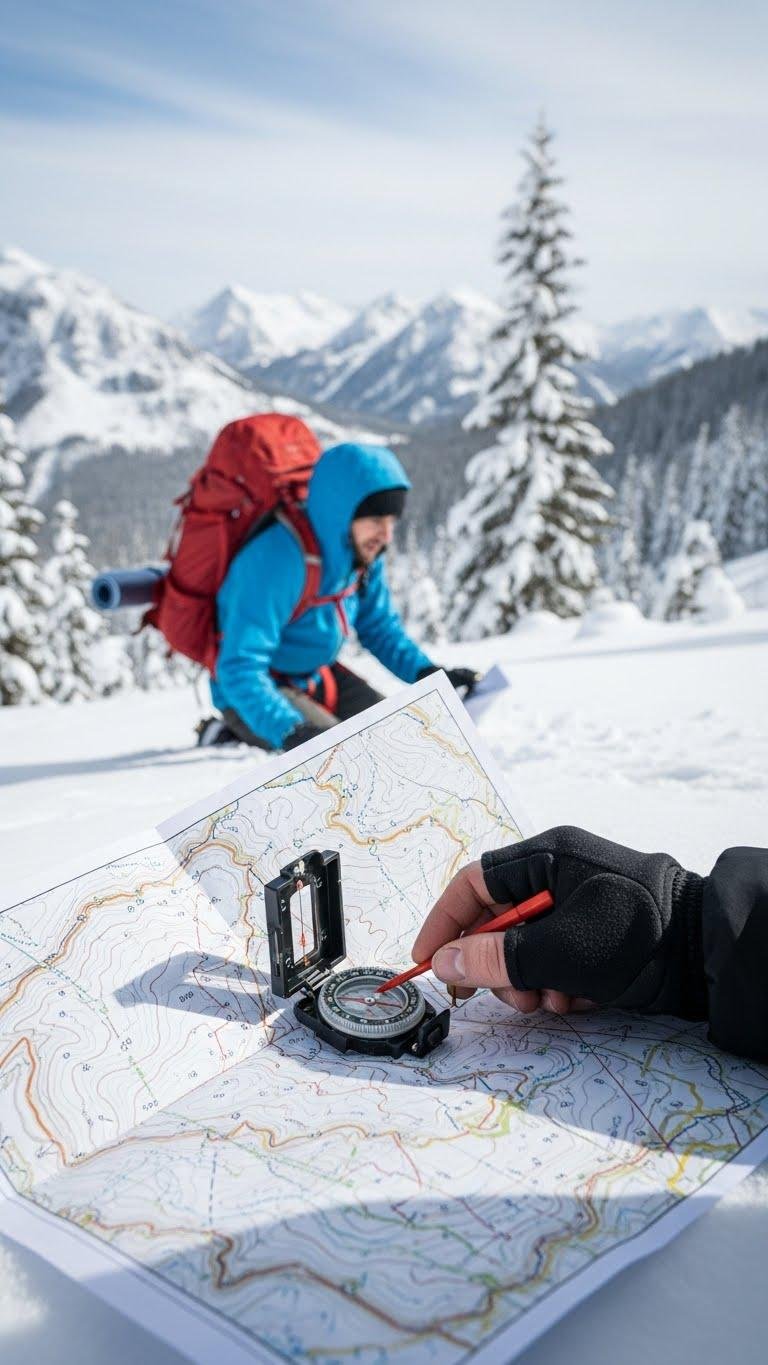
Paper Map and Compass (Practice Using Them)
Paragraphs
After you’ve settled pole length and checked shafts for cracks, pick up a paper map and compass and practice using them before you need them. You’ll rehearse route finding, declination adjustment, pace counting and contour interpretation until they’re second nature.
Calibrate bearings, plot checkpoints, and test pace counts on varied terrain. Relying on skills, not batteries, keeps your freedom safe in winter backcountry.
Reliable Headlamp or Flashlight With Extra Batteries
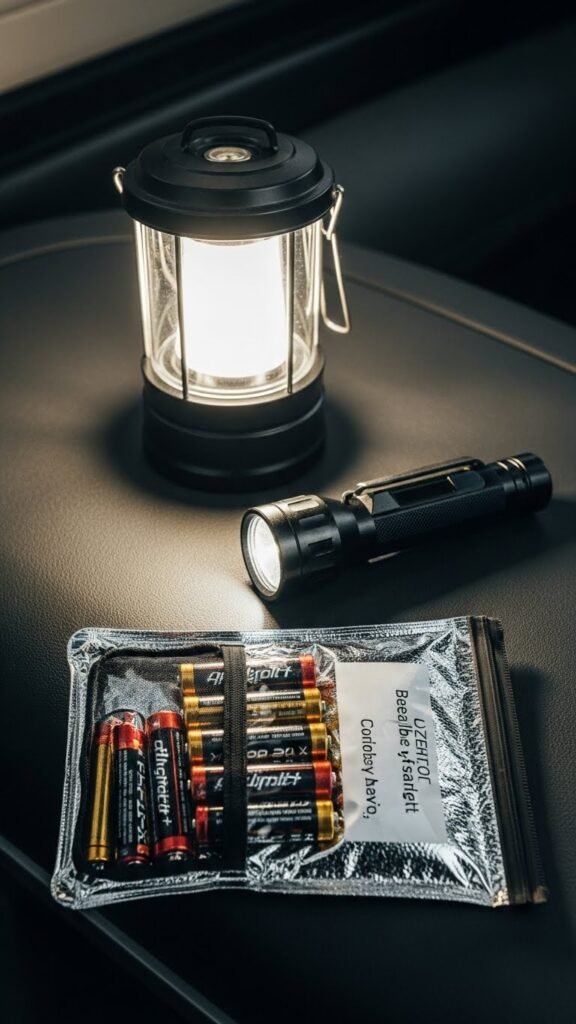
When daylight fades unexpectedly, bring a reliable headlamp or flashlight plus spare batteries and you’ll maintain safe, hands-free visibility for route-finding, gear adjustments, and emergency signaling.
Choose a unit with adjustable beam distance, durable casing, and efficient battery chemistry like lithium for cold tolerance. Pack sealed spares, store them warm, and test brightness and modes before each outing to preserve freedom and safety.
Insulated Water Bottles or Sleeves to Prevent Freezing
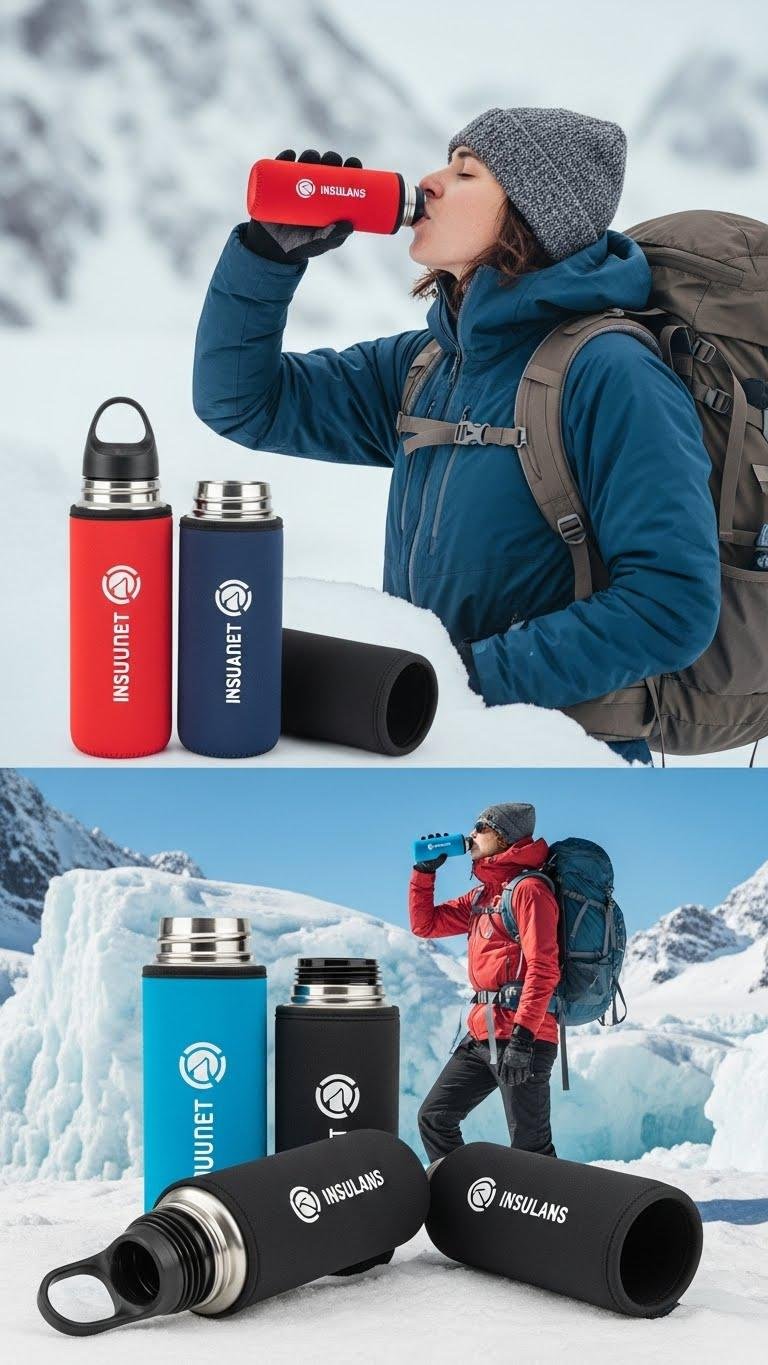
Don’t let frozen water slow you down: insulated bottles or neoprene sleeves keep liquids usable by limiting heat loss and blocking wind chill. Choose vacuum insulation for long retention, sip frequently to avoid internal freezing, and store bottles inside your pack or jacket.
A freeze prevention sleeve adds protection during stops. You’ll stay hydrated, mobile, and free to explore without brittle, unusable water.
High‑Energy, Easily Digestible Snacks and Extra Food

Pack snacks that keep your energy up without upsetting your stomach: think compact, calorie-dense options like nut butters, energy bars with simple ingredients, dried fruit, and small handfuls of mixed nuts or trail mix.
You’ll pack protein bars, single-serve nut butter, fruit leather, and cheese crisps.
Carry extra food—sealed, lightweight calories—to stay safe if weather or pace slows, and ration predictably.
Comprehensive First Aid Kit With Blister Care
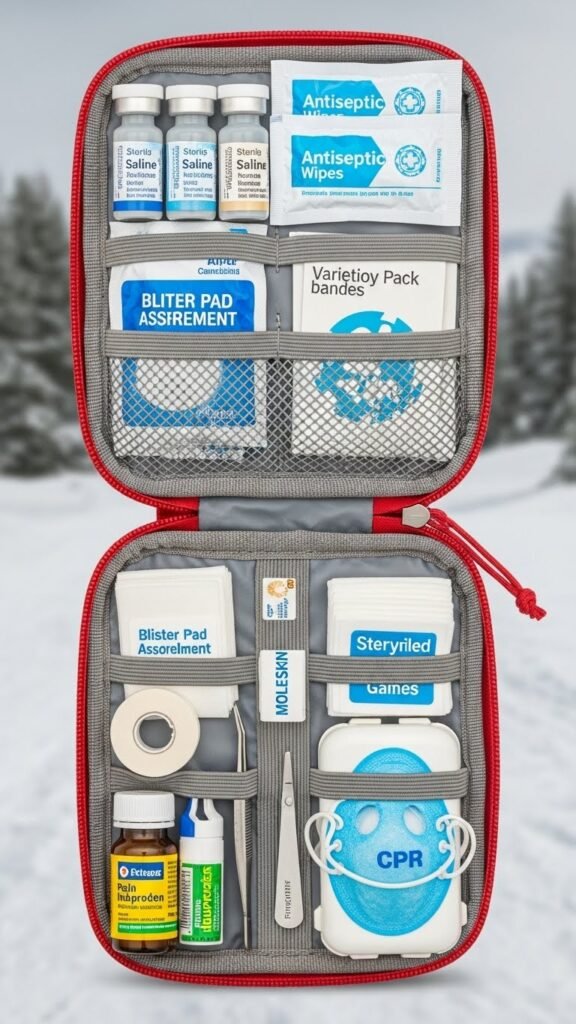
Assemble a compact, well-organized first aid kit that covers common winter hiking injuries and gives you reliable blister care on the trail. Pack sterile saline, antiseptic wipes, adhesive bandages, moleskin, blister pads, sterile gauze, tape, tweezers, pain relievers, and a compact CPR mask. Know how to clean, protect, and drain blisters safely so you can keep moving and stay independent.
Emergency Shelter: Bivy Sack, Tarp, or Emergency Blanket
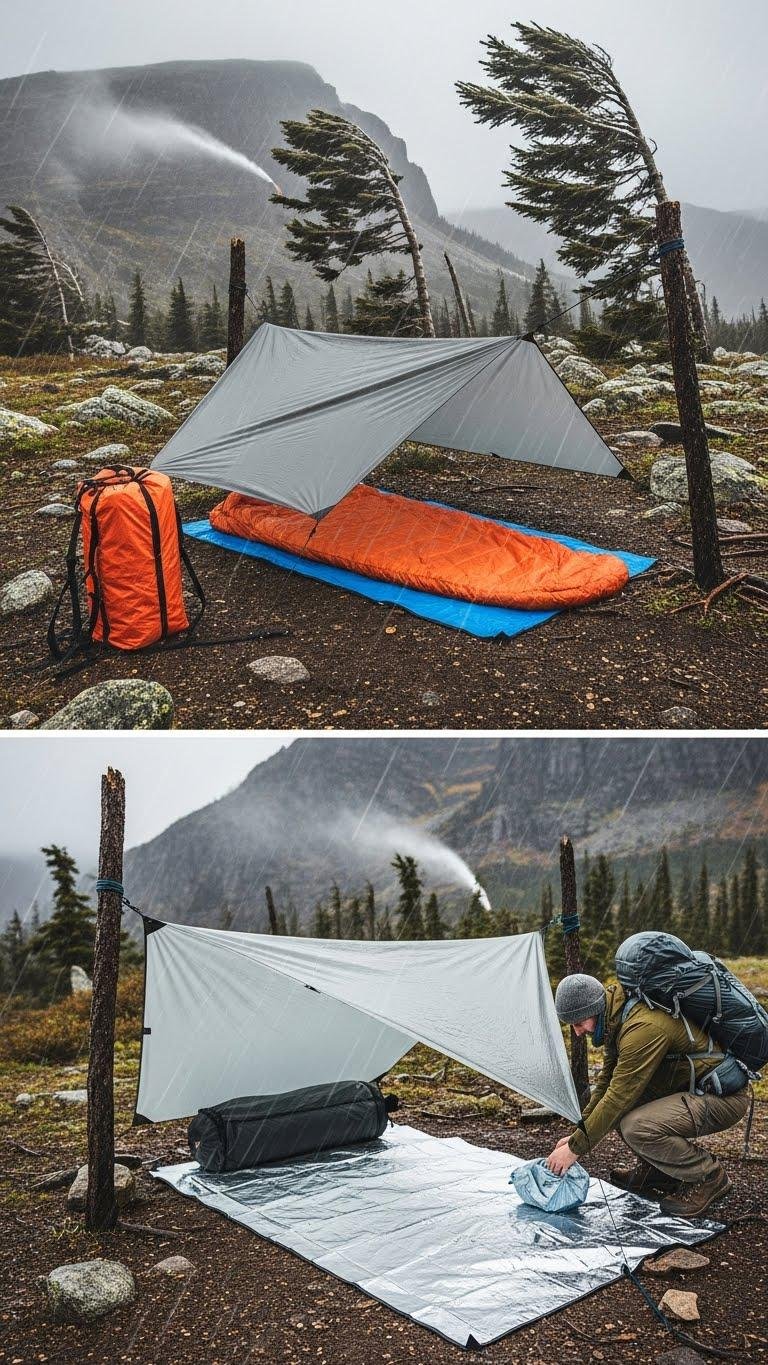
For overnight stops or unexpected delays, carry a compact emergency shelter—like a bivy sack, tarp, or space blanket—to protect you from wind, wet, and hypothermia; each option trades weight, warmth, and setup speed, so choose based on route, expected conditions, and how you’ll use it.
Learn bivy comparison benefits, practice tarp pitching for quick shelter, and stash a reflective blanket for emergency warmth.
Multi‑Tool/Repair Kit and Duct Tape for Gear Fixes
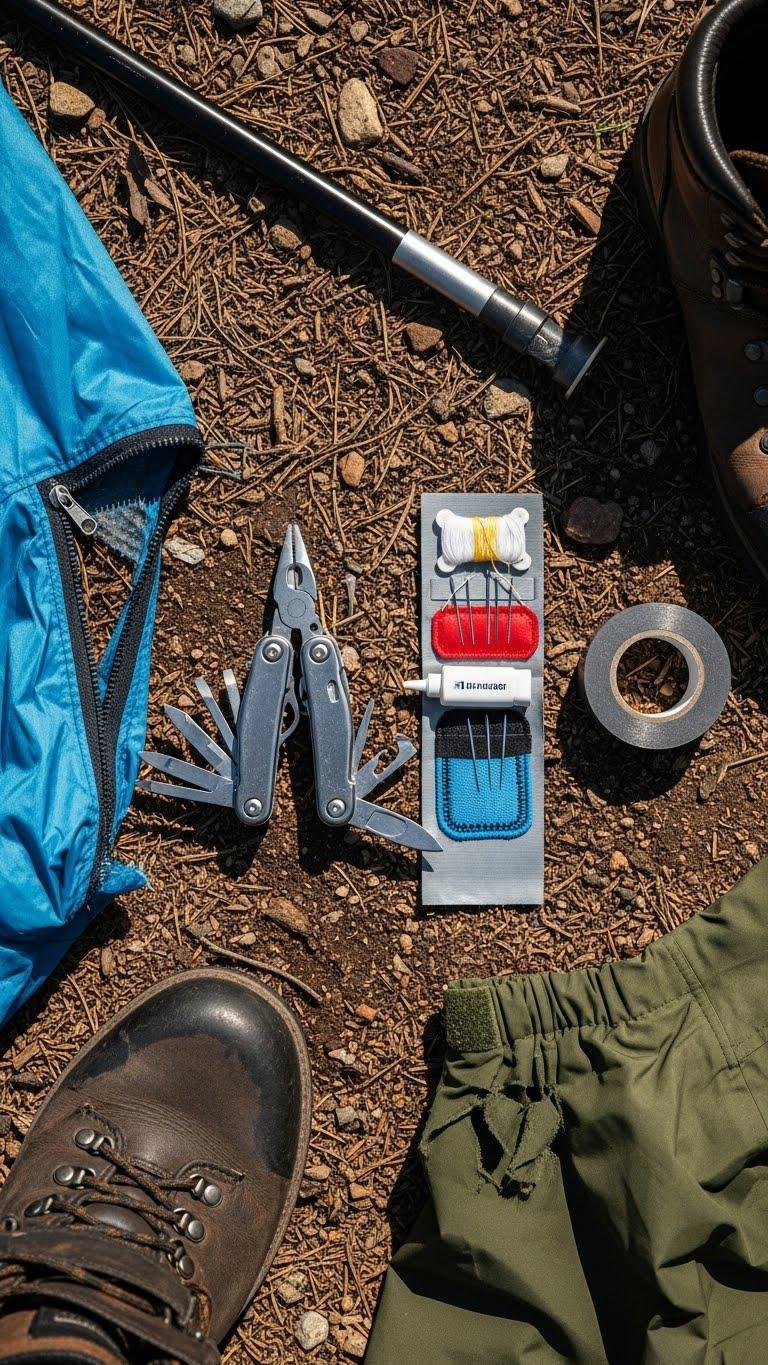
Because even small failures can end a trip, carry a compact multi‑tool and a slim repair kit plus a length of duct tape so you can fix zippers, poles, boots, and clothing on the trail.
You’ll appreciate multi tool innovations for precise fixes and lightweight parts; duct tape improvisations handle temporary seals.
Pack spare cord, patches, needle, and minimal adhesives so you can keep moving safely.
Sunglasses and Sunscreen for Snow Glare Protection
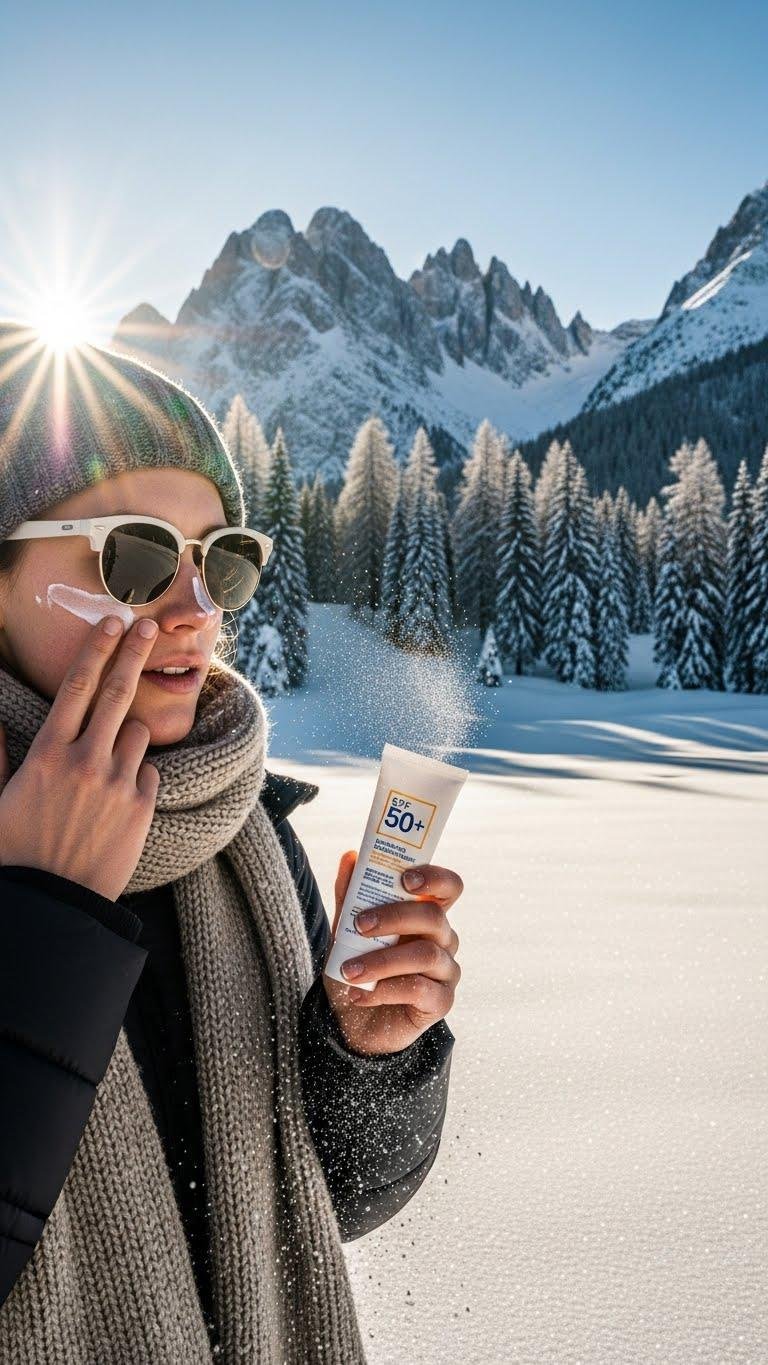
After you’ve sorted gear repairs, protect your eyes and skin from amplified UV by snow’s reflective surface: wear sunglasses with full-wrap lenses and high UV protection, and apply a broad‑spectrum, water‑resistant sunscreen to exposed areas.
Choose polarized lenses to reduce glare, carry spare protection, reapply broad spectrum SPF every two hours, and cover exposed skin with a hood or scarf for reliable, liberating safety.